An ETL or UL energy meter is not just a compliance badge. In commercial, industrial, and utility-connected installations across North America, the absence of one can stop an electrical inspection, de...
In the previous two FAQ installments, we covered the fundamentals, selection criteria, and core functions of smart meters. However, when it comes to smart meter projects, customers also prioritize cer...
Ask any electrical contractor what they wish they had known before buying a multi-function energy meter, and the answer usually comes down to one thing: the meter itself is rarely the problem. The re...
In the previous FAQ installment, we covered the fundamentals of smart meters and tips for selecting the right models. In reality, smart meters do more than just measure electricity consumption; they s...
In the past, discussions regarding energy in data centers focused primarily on total electricity consumption. However, with the rapid expansion of AI computing power, the conversation has shifted to a...
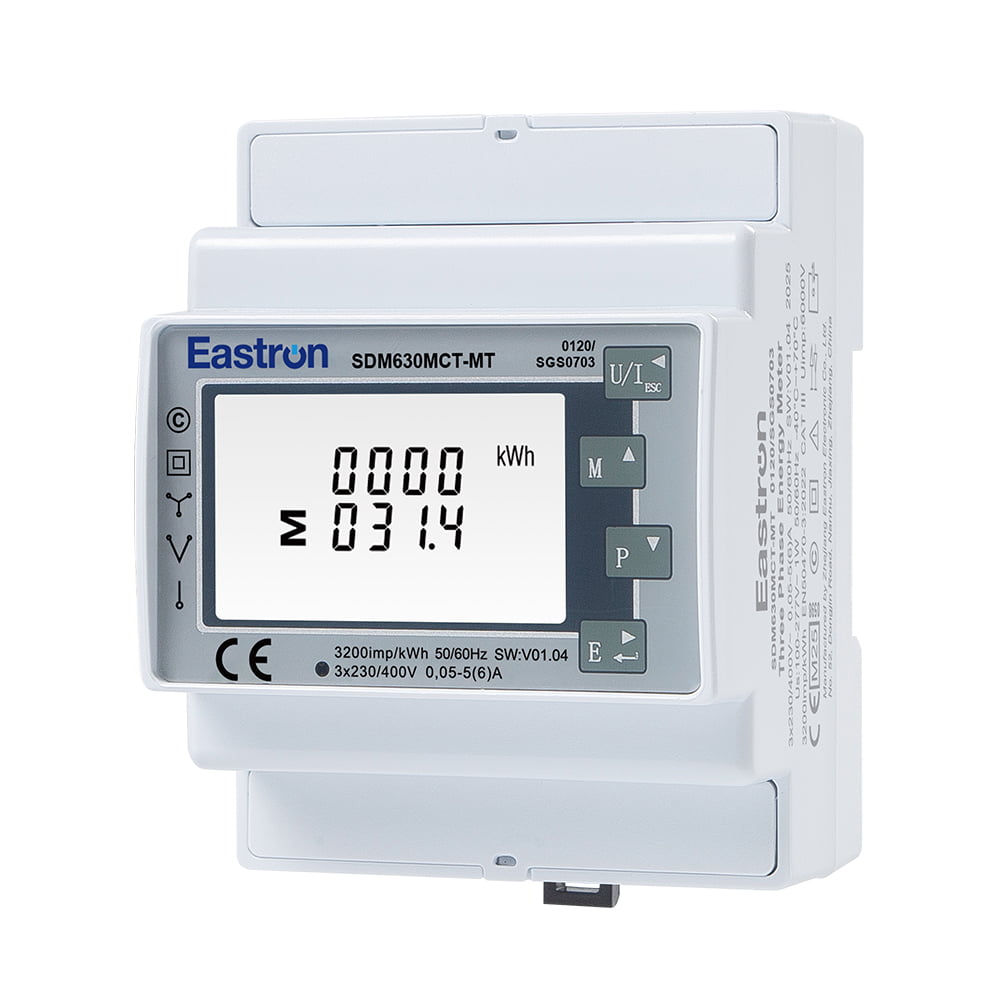
A DIN rail energy meter is a compact electricity meter that clips onto a standard 35 mm mounting rail inside an electrical enclosure. For panel builders, electrical contractors, and facility teams, i...
Industry Context
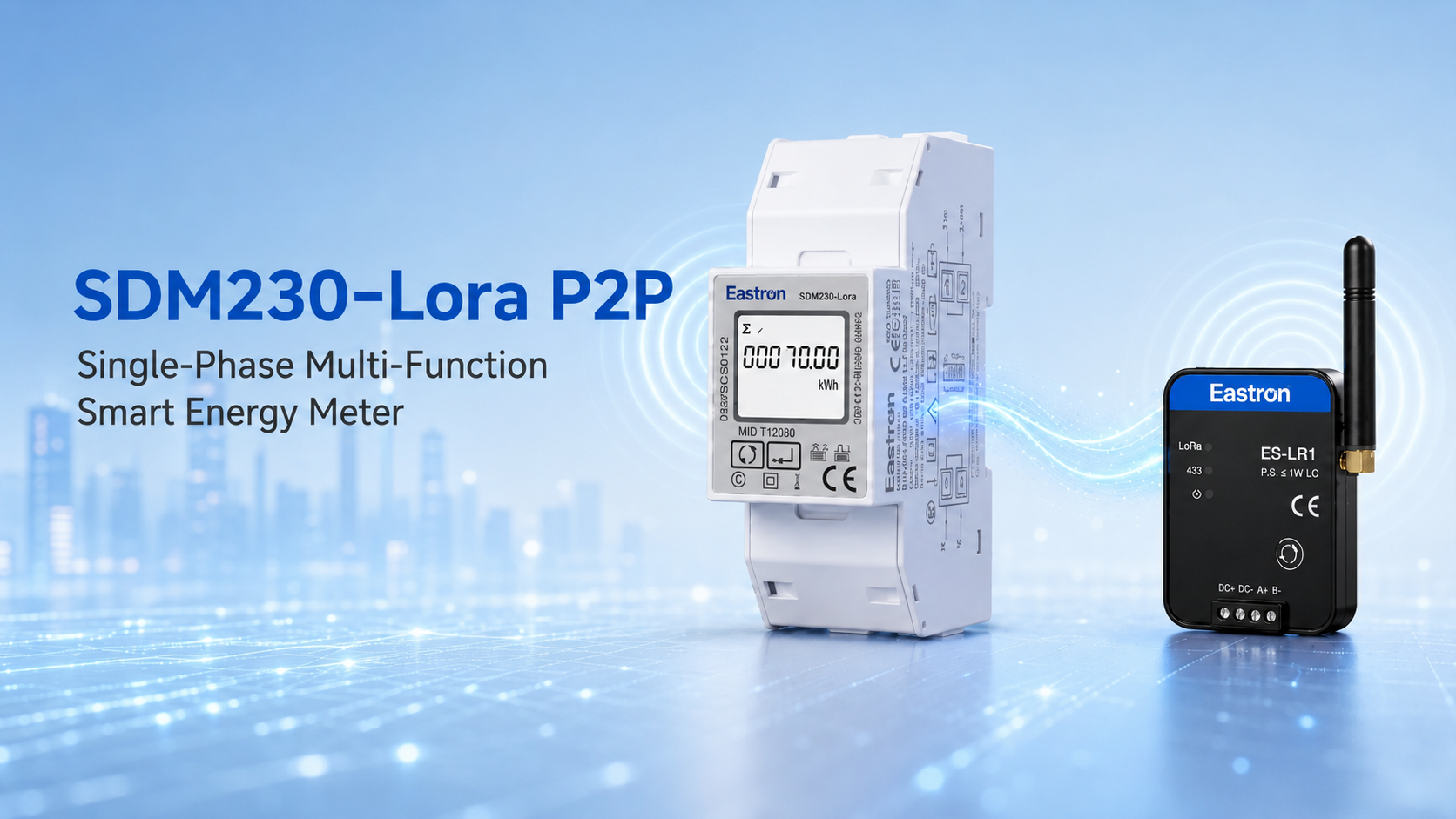
As applications for new energy and smart energy systems continue to evolve, traditional wired solutions often face challenges—such as complex cabling and difficult retrofitting—that ...
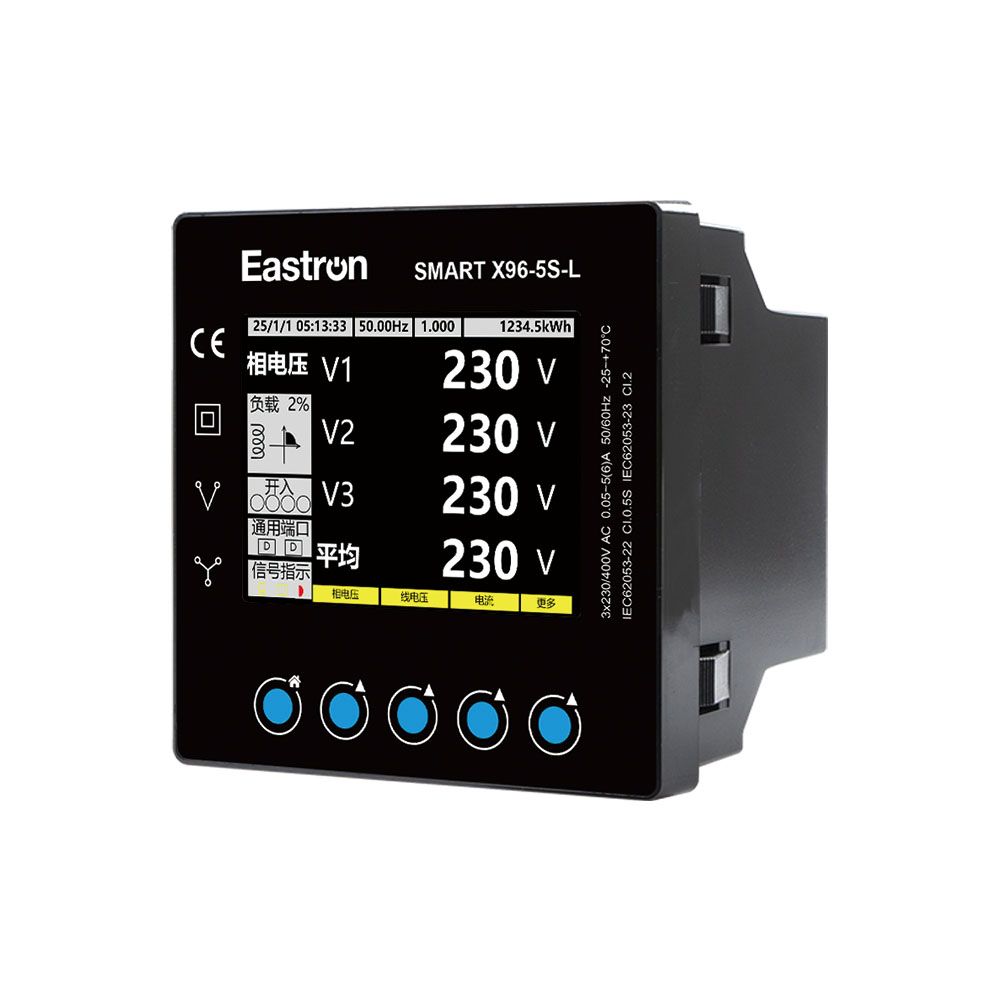
What Is a Power Analyzer?
When a facility engineer notices that a three-phase distribution board is running hotter than usual, an ordinary kWh meter only confirms that the circuit is consuming energy...
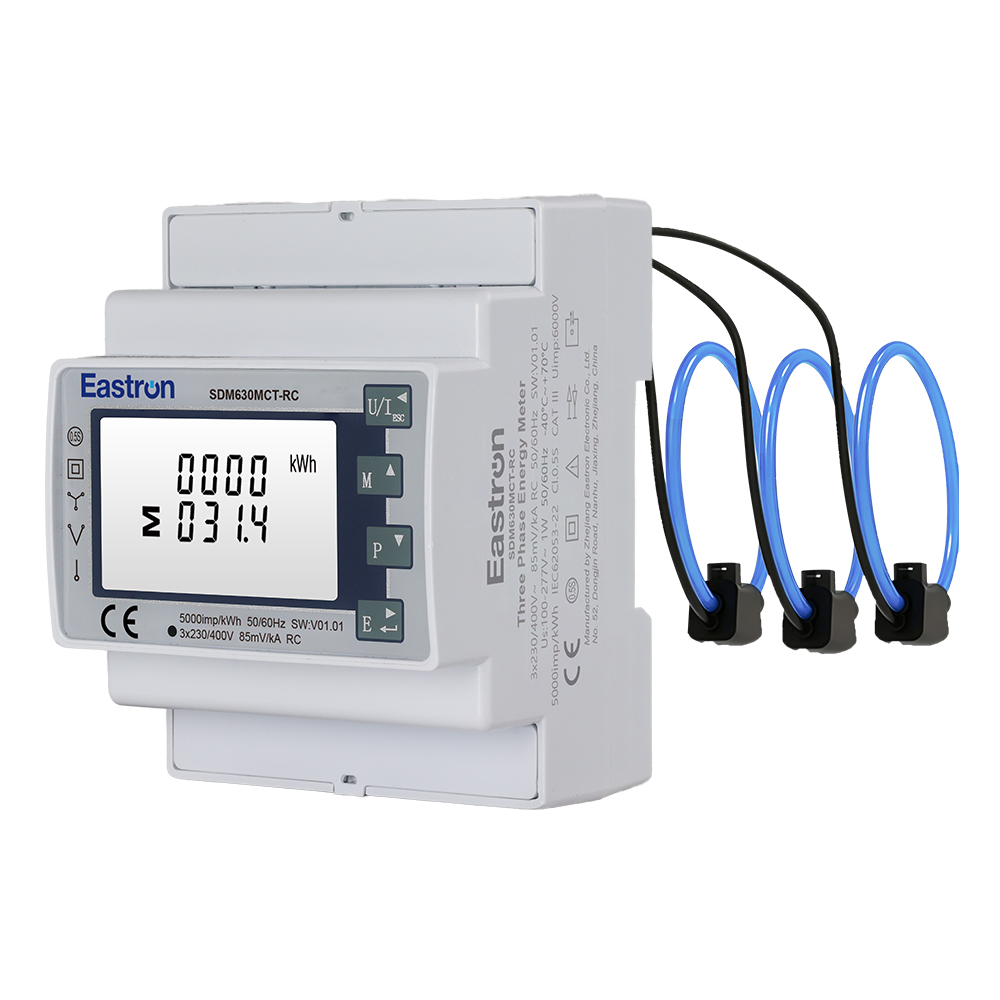
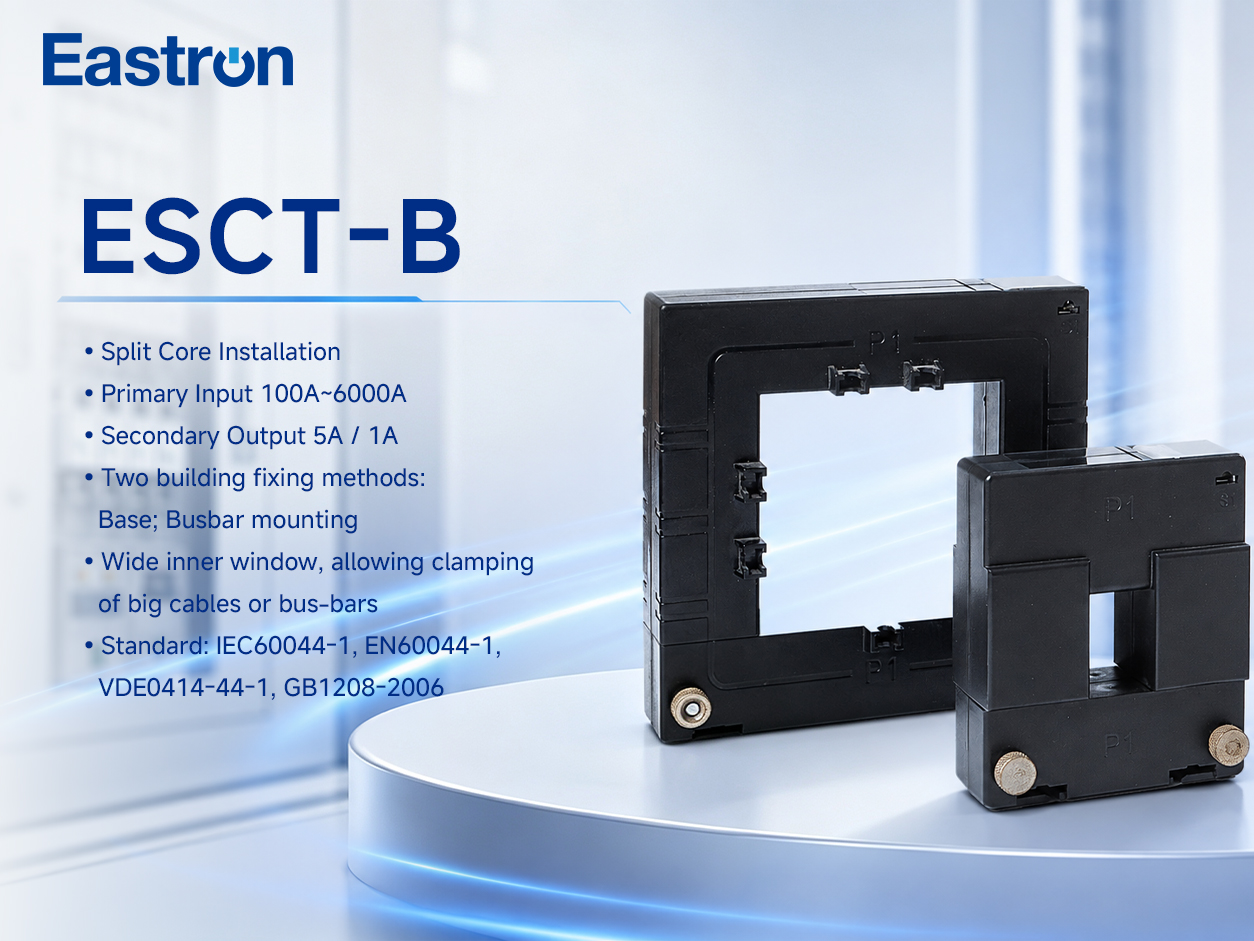
When selecting current-sensing accessories for smart meter applications, the choice often depends on the specific requirements of the project. Factors such as current range, available installation spa...