If your electricity meter shows normal consumption, does that mean there are no issues with your power supply?
Not necessarily.
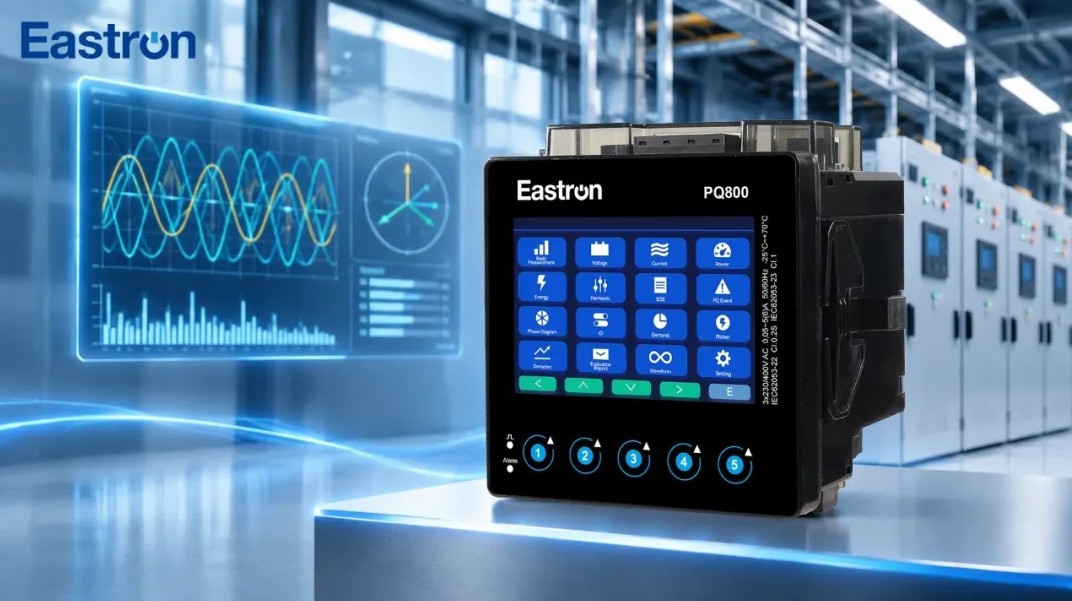
Problems such as voltage sags, harmonic distortion, and three-phase unba...
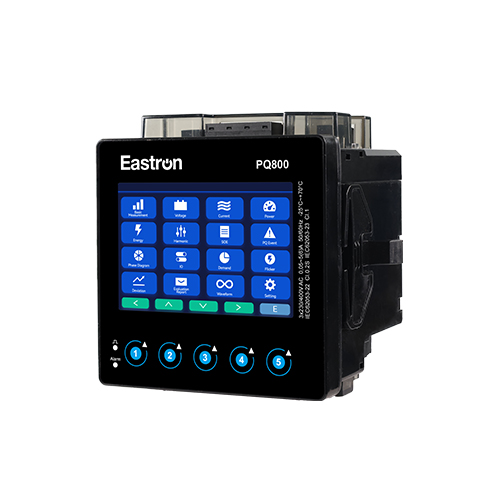
In industrial power distribution, data centers, commercial buildings, and renewable energy systems, the selection of a power analyzer must be based on the specific monitoring requirements of the proje...
With the widespread integration of renewable energy, variable-frequency drives, and non-linear loads, issues such as harmonics, flicker, and voltage dips have become increasingly prominent. Consequent...
If you have spent any time specifying meters for DC installations, you already know that the headline number on a datasheet is rarely the whole story. A 1000 V DC energy meter sits at the edge of a f...
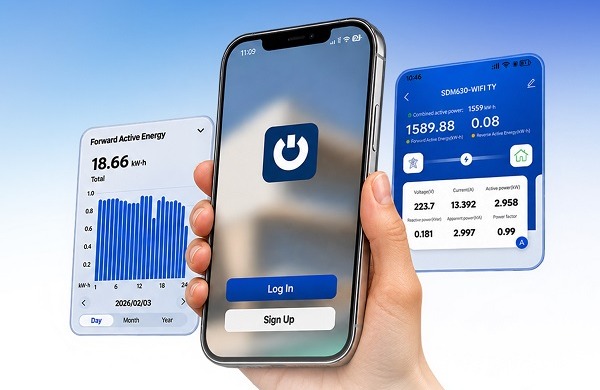
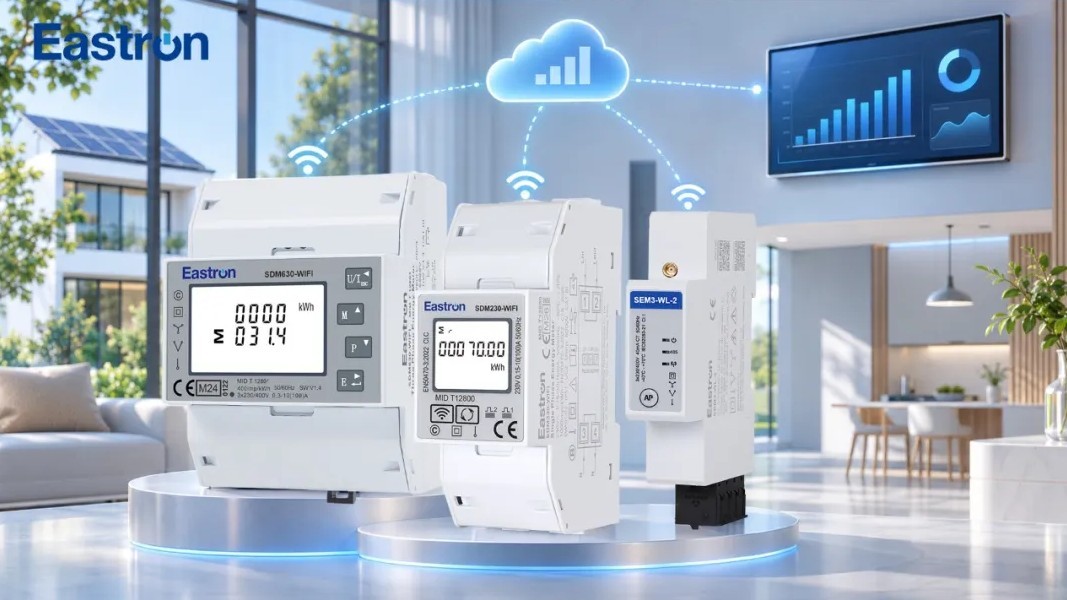
With rising energy costs and the rapid adoption of smart home technology, the ability to "see" and "control" electricity consumption has become a shared need for both residential and commercial users....
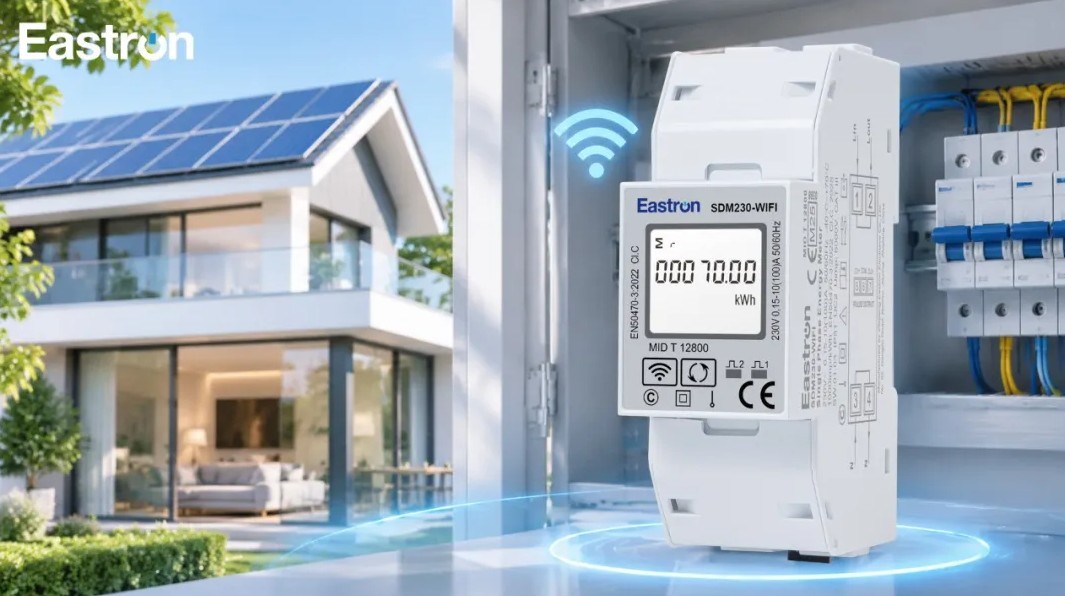
In residential, commercial, and industrial power distribution environments, real-time access to electricity consumption data is fundamental to effective energy management and cost accounting. Traditio...
Electricity meters are responsible for measurement, while communication systems handle data transmission. As the demand for electricity monitoring and energy management continues to grow, determining ...
A 75mV shunt DC meter is really a pair of devices working together: a low-resistance shunt that drops 75 millivolts at its rated current, and a meter that knows how to read that small voltage. The sh...
A three phase WiFi energy meter does the same electrical job as any other three-phase meter — it measures voltage, current, power and energy across all three phases — but it reports what it measures ...