

 English
 Español
 Deutsch
 中文简体
中文简体
Product Consultation
Your email address will not be published. Required fields are marked *
Content
A Solar PV (Photovoltaic) meter is a critical component in any solar energy system. It measures the electrical energy generated by solar panels and allows homeowners, businesses, and utilities to monitor energy production accurately. Solar PV meters help track system performance, calculate energy savings, and ensure proper billing or feed-in to the electrical grid.
Choosing the right solar PV meter involves evaluating system size, voltage and current requirements, compatibility with inverters, and monitoring features. The right meter ensures accurate readings, reliable operation, and efficient energy management.
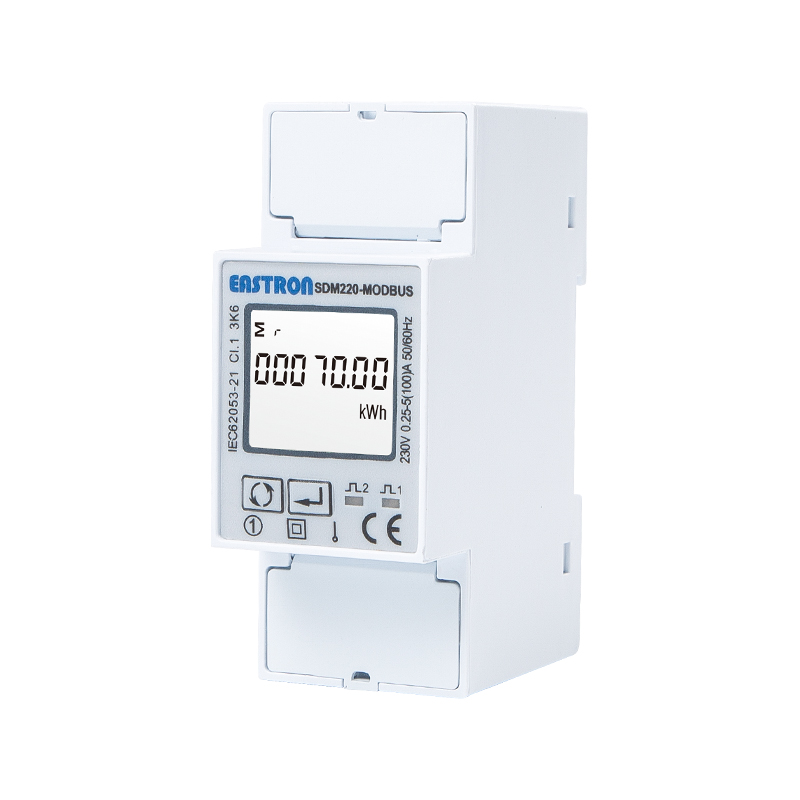
Solar PV meters are available in several types, each designed to meet specific system requirements. Understanding these types helps select a meter that matches your solar installation.
Single-phase meters are commonly used in residential solar systems with lower power capacity. They measure energy output for systems typically below 10 kW and are suitable for homes or small offices. These meters provide accurate readings for energy monitoring and billing purposes.
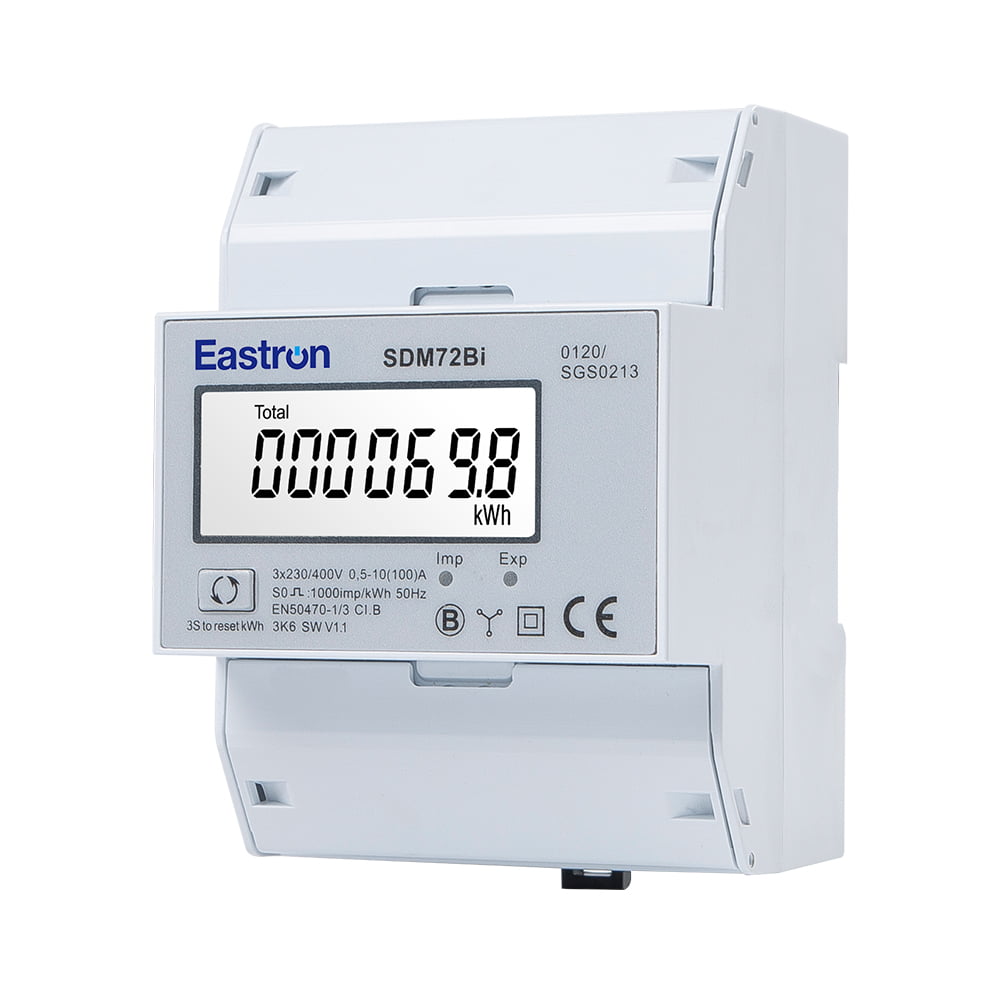
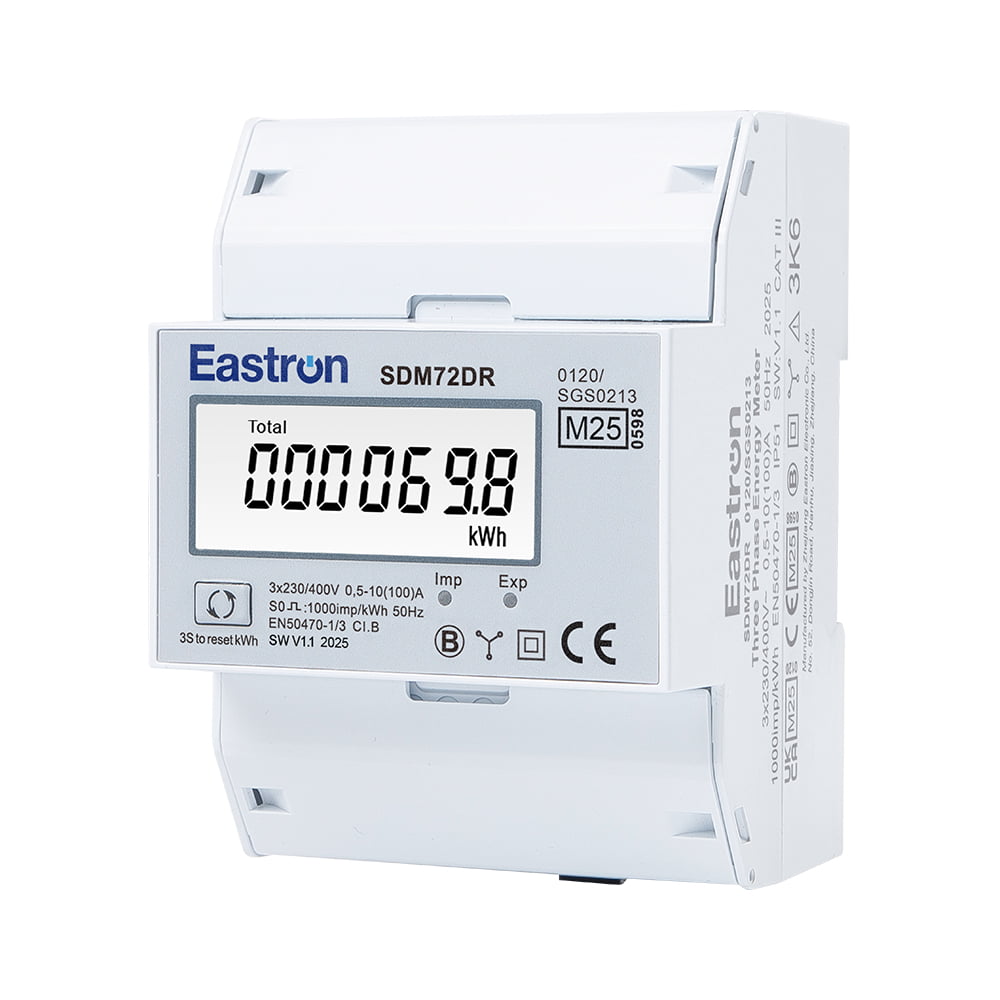
Three-phase meters are designed for commercial or industrial solar systems with higher power requirements. They monitor energy flow across three phases, providing accurate measurements for large-scale solar arrays. These meters are essential for ensuring efficiency and energy compliance in industrial applications.
Smart meters include digital displays, data logging, and remote monitoring capabilities. They allow users to track energy generation in real-time via mobile apps or online dashboards. Smart meters can also integrate with home energy management systems to optimize energy use and maximize savings.
When selecting a solar PV meter, several features affect performance, accuracy, and usability:
Proper installation of a solar PV meter ensures accurate readings and system safety. The meter should be compatible with the solar inverter and electrical panel. Consider whether the system requires direct connection, CT (current transformer) metering, or revenue-grade metering for billing purposes. Professional installation is recommended to comply with local electrical codes and standards.
| Meter Type | Best For | Key Features | Typical Use |
| Single-Phase | Residential | Compact, simple, accurate | Homes and small offices |
| Three-Phase | Commercial & Industrial | High capacity, multi-phase monitoring | Factories, warehouses, and large solar farms |
| Smart Digital | All systems | Remote monitoring, data logging, app connectivity | Homes, offices, and commercial solar systems |
Solar PV meters require minimal maintenance but periodic checks ensure continued accuracy. Cleaning the meter display, verifying wiring integrity, and comparing readings against system output help maintain reliable performance. Smart meters may include built-in diagnostics to alert users of anomalies or malfunctions.
Selecting the right solar PV meter is essential for accurate energy monitoring, optimized system performance, and effective energy management. Consider system size, meter type, measurement range, connectivity, and installation requirements to ensure compatibility and long-term reliability. A well-chosen meter enhances the efficiency and value of any solar energy system.
Your email address will not be published. Required fields are marked *

We develop and produce high performance electricity meters, power analyzers, current sensors, communication modules and management systems.
Address:NO. 52, Dongjin Road, Nanhu, Jiaxing, Zhejiang, China
Copyright @ Eastron Electronic Co., Ltd. All rights reserved
