Product Consultation
Your email address will not be published. Required fields are marked *

An EV Charger Meter is a device used to monitor, measure, and manage the electricity consumption of electric vehicle charging stations. As electric vehicles (EVs) become more common, understanding energy usage, efficiency, and cost management is crucial for both residential and commercial charging setups. EV charger meters provide accurate data for billing, monitoring charging sessions, and optimizing power distribution.
Content
EV charger meters operate by measuring the flow of electricity between the power source and the EV. They can track several key parameters:
By integrating these measurements, EV charger meters provide real-time feedback, ensure safe charging, and facilitate data collection for billing or energy management systems.
EV charger meters are available in various types depending on installation, connectivity, and functionality. The main types include:
Single-phase meters are designed for residential EV chargers that operate on a single-phase AC supply. They monitor voltage, current, and energy usage accurately and are typically compact and easy to install.
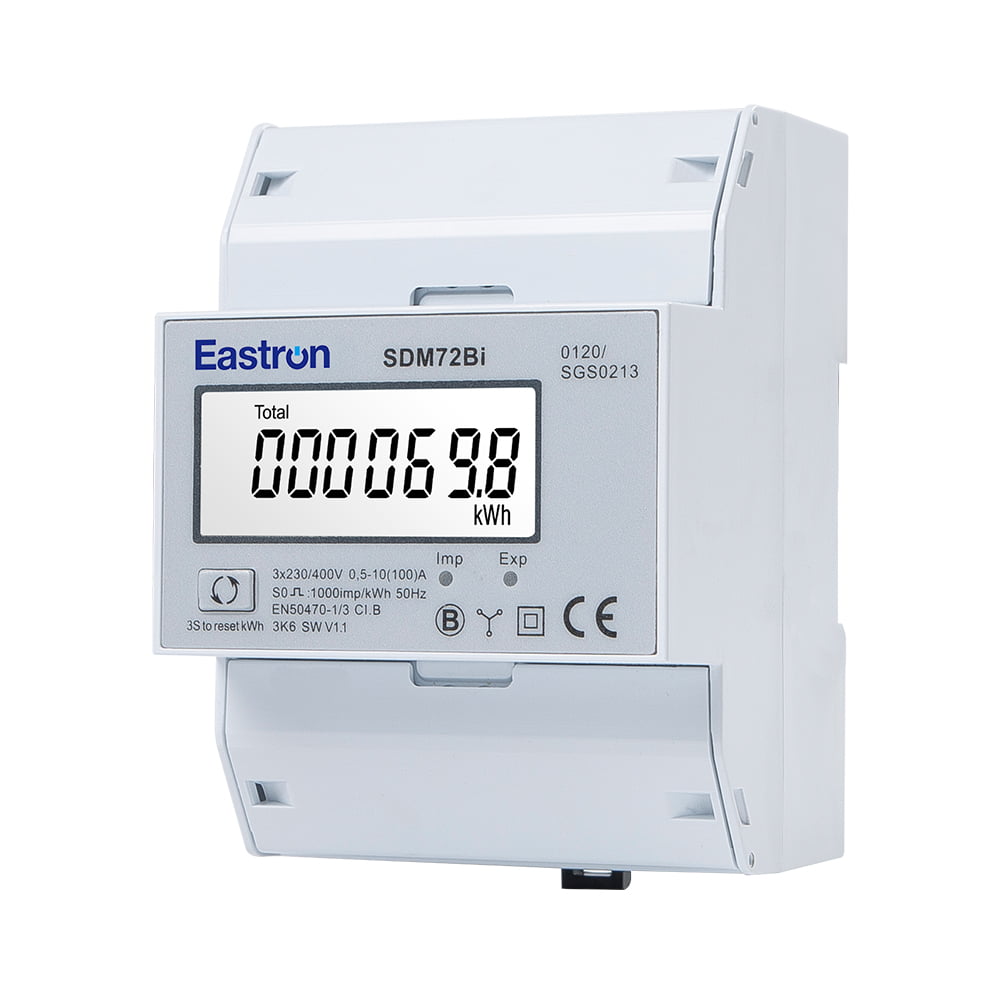
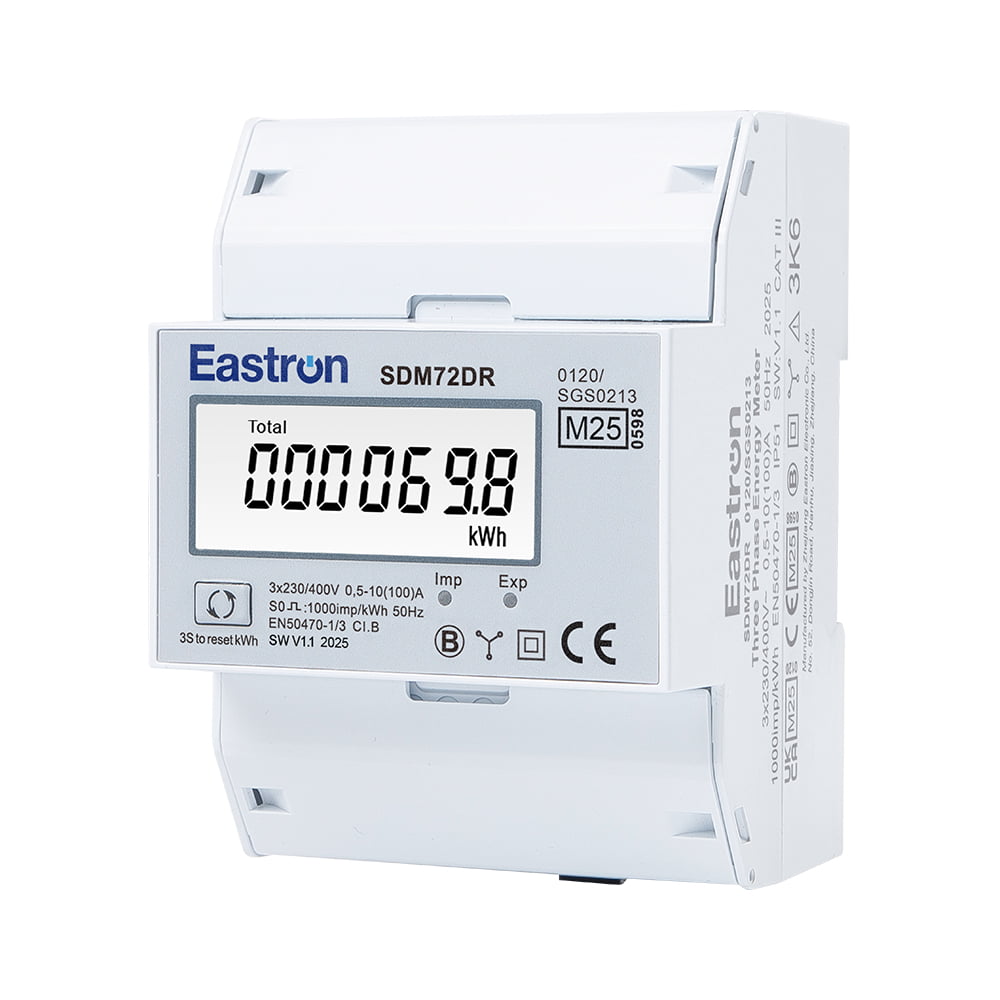
Three-phase meters are used for commercial or high-power charging stations. They handle higher loads and provide detailed monitoring for each phase, ensuring balanced energy distribution and preventing overload conditions.
Smart meters connect to the internet or local network, enabling remote monitoring, automated billing, and integration with energy management systems. These meters can provide features such as:
Some EV charging setups use prepaid meters where the user loads a specific amount of electricity credit. Postpaid meters, in contrast, record consumption for later billing. Both types provide accurate measurement and facilitate cost management in residential or commercial applications.
EV charger meters offer various features that improve safety, convenience, and energy efficiency:
EV charger meters are widely applied in residential, commercial, and public charging stations. Their applications include:
The following table compares popular EV charger meter types, highlighting their features and applications:
| Meter Type | Phase | Connectivity | Typical Applications |
|---|---|---|---|
| Single-Phase Meter | Single | Local | Residential chargers, small offices |
| Three-Phase Meter | Three | Local | Commercial stations, high-power charging |
| Smart Meter | Single/Three | Wi-Fi/Cloud | Remote monitoring, automated billing, energy management |
| Prepaid/Postpaid Meter | Single/Three | Local/Smart | Billing management, commercial/residential use |
Proper installation of EV charger meters is crucial for accurate measurement and safety. Key considerations include:
EV charger meters provide multiple benefits, including:
EV charger meters are essential devices for managing electric vehicle charging, ensuring safety, efficiency, and accurate billing. By selecting the appropriate type—single-phase, three-phase, smart, or prepaid/postpaid—users can optimize energy consumption and integrate charging stations into modern energy management systems. As EV adoption grows, the role of advanced charger meters becomes increasingly critical in both residential and commercial settings.
Your email address will not be published. Required fields are marked *
We develop and produce high performance electricity meters, power analyzers, current sensors, communication modules and management systems. China Custom Smart Meters Manufacturers and Factory
Address:NO 52, Dongjin Road, Nanhu, Jiaxing, Zhejiang, China
Copyright @ Eastron Electronic Co., Ltd. All rights reserved Electricity Meters Manufacturers