

 English
 Español
 Deutsch
 中文简体
中文简体
Product Consultation
Your email address will not be published. Required fields are marked *
Content
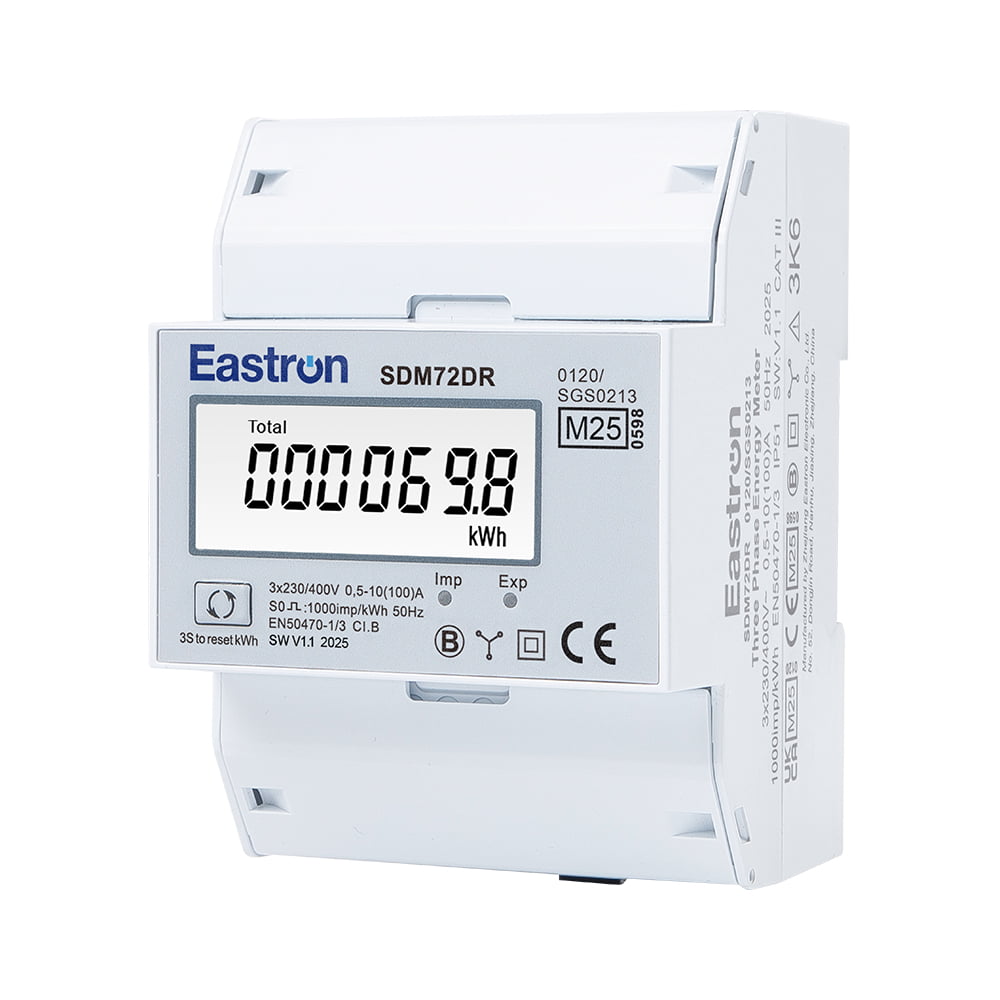
A MID energy meter is an electricity metering device that has been tested, approved, and certified under the Measuring Instruments Directive (MID) — a European Union legislative framework that ensures measuring instruments used for commercial transactions meet strict accuracy and reliability standards. The directive, formally known as Directive 2014/32/EU, covers a wide range of measuring instruments, and energy meters fall under Annex MI-003. For end users, installers, and utilities alike, MID certification is not just a regulatory checkbox — it is a guarantee that the meter's readings can be trusted for billing, compliance, and energy management purposes.
The significance of MID certification becomes clear when you consider the consequences of inaccurate metering. Overbilling leads to financial loss for consumers; underbilling results in revenue loss for suppliers. In commercial settings, energy cost allocation between tenants, EV charging stations, or shared facilities depends entirely on the reliability of the underlying meter. MID-certified meters eliminate ambiguity by providing a legally defensible measurement baseline recognized across all EU member states and several non-EU countries that have adopted equivalent standards.
To earn MID certification, an energy meter must pass a rigorous conformity assessment carried out by a Notified Body — an independent, government-designated testing organization. The assessment evaluates the meter against defined metrological performance classes and environmental conditions. The two primary accuracy classes for MID energy meters are Class A and Class B, with Class B offering tighter tolerances and being preferred for billing applications where high precision is critical.
Key technical parameters assessed during MID conformity testing include:
Once certified, the meter carries the CE marking followed by the letter "M" and the last two digits of the year of certification, along with the identification number of the Notified Body. This marking must remain on the meter throughout its operational life and is the first thing an inspector or auditor looks for when verifying compliance.
Understanding the difference between accuracy classes helps buyers select the right meter for their specific application. The table below summarizes the key distinctions:
| Feature | Class A | Class B | Class C |
| Accuracy Tolerance | ±2% | ±1% | ±0.5% |
| Typical Use | Residential, basic sub-metering | Commercial, EV charging, tenant billing | Industrial, grid-level measurement |
| Cost Level | Low | Moderate | High |
| EMC Requirements | Standard | Enhanced | Stringent |
For most commercial sub-metering and EV charging deployments, Class B strikes the optimal balance between accuracy and cost. Class A remains appropriate for basic residential monitoring where extreme precision is less critical and cost sensitivity is high.
MID certification is legally mandatory whenever an energy meter is used as the basis for a financial transaction within the EU. This encompasses a broader range of scenarios than many buyers initially realize. The following situations all typically require a MID-certified meter:
Using a non-certified meter in any of these scenarios exposes the operator to regulatory penalties, billing disputes, and potential invalidation of all historical billing records — a costly outcome that far outweighs the modest price premium of a MID-certified device.
Choosing a MID energy meter requires more than simply verifying the CE mark. Buyers should evaluate several practical factors to ensure the meter integrates correctly and delivers long-term value.
Residential and light commercial installations typically use single-phase meters (230V, 50Hz in Europe), while industrial facilities, large commercial buildings, and three-phase EV chargers require three-phase meters (400V, three-wire or four-wire). Matching the meter's phase configuration to the circuit is fundamental — an incorrect selection will produce inaccurate readings regardless of the meter's certification status.
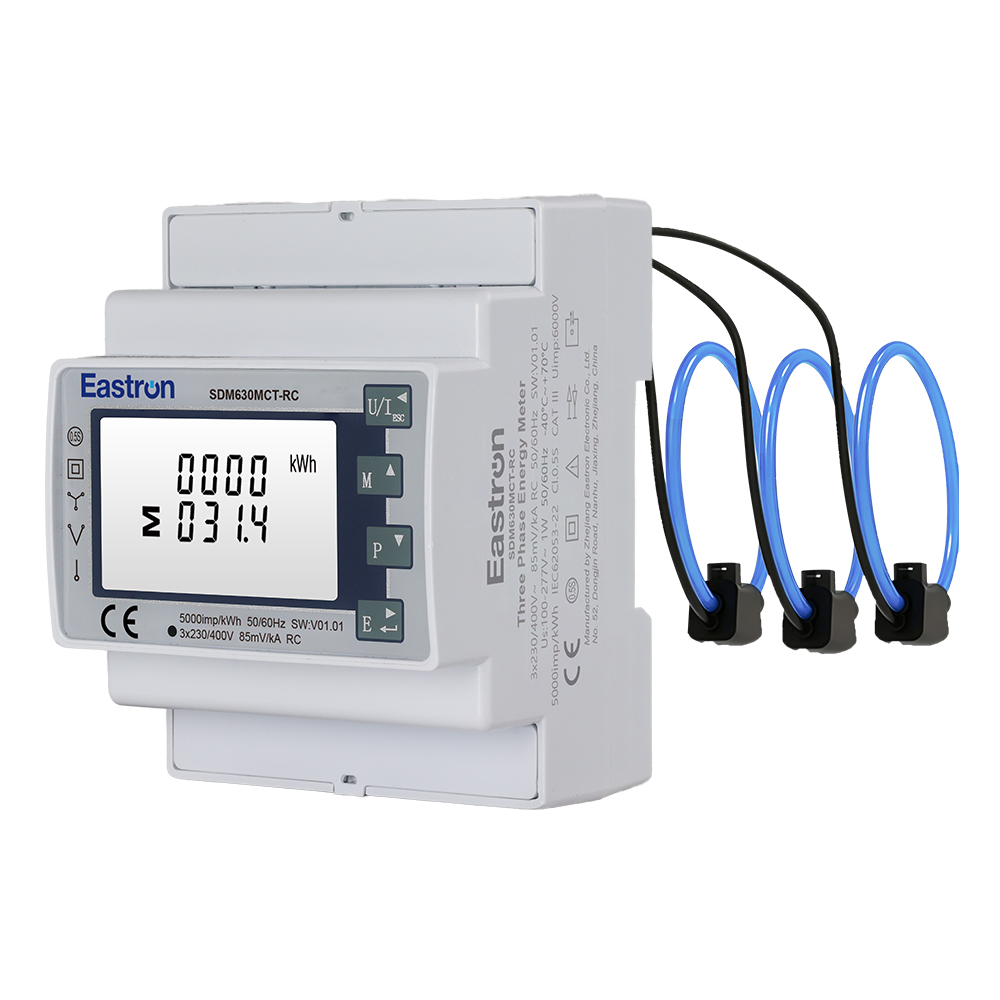
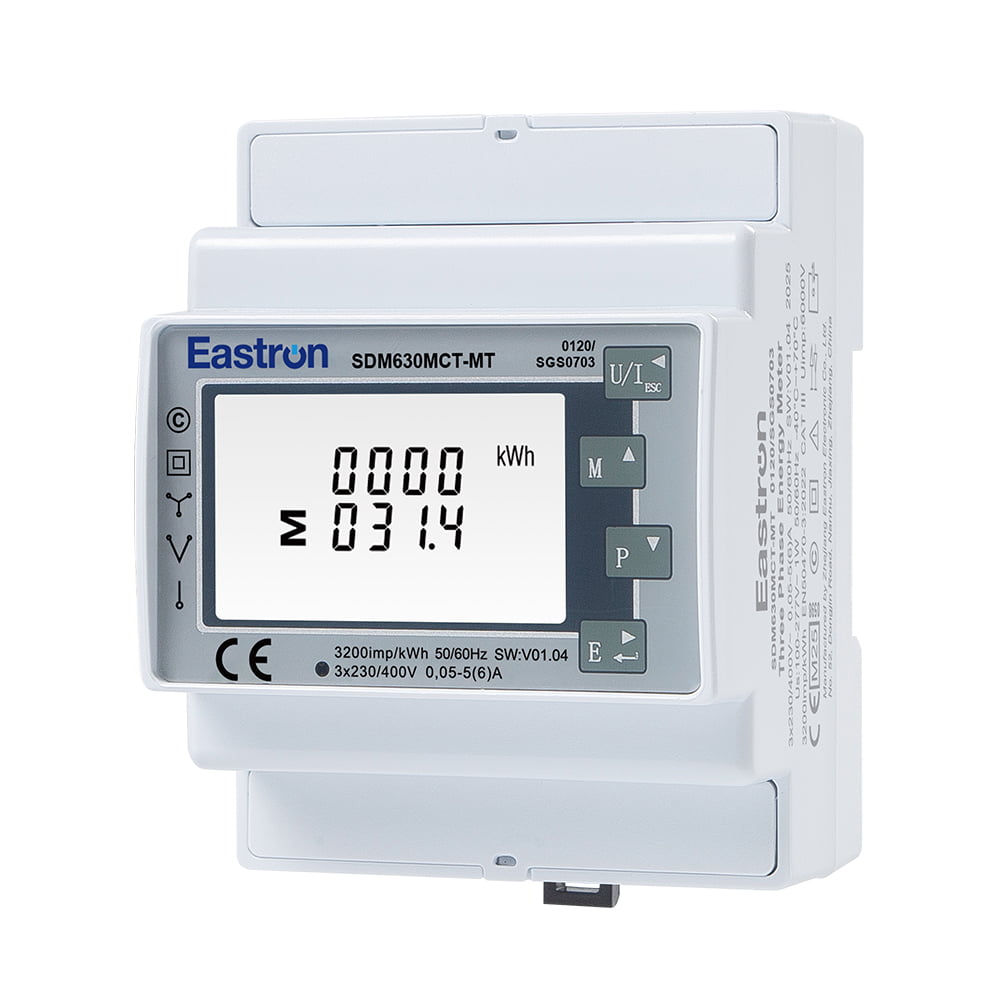
Modern MID energy meters offer a variety of communication interfaces to support remote reading, energy management systems, and billing software integration. Common options include Modbus RTU (RS-485), Modbus TCP/IP over Ethernet, M-Bus (used widely in European utility metering), pulse output (S0 interface), and OCPP integration for EV charging contexts. Selecting a meter with the appropriate protocol eliminates the need for costly protocol converters and simplifies system architecture.
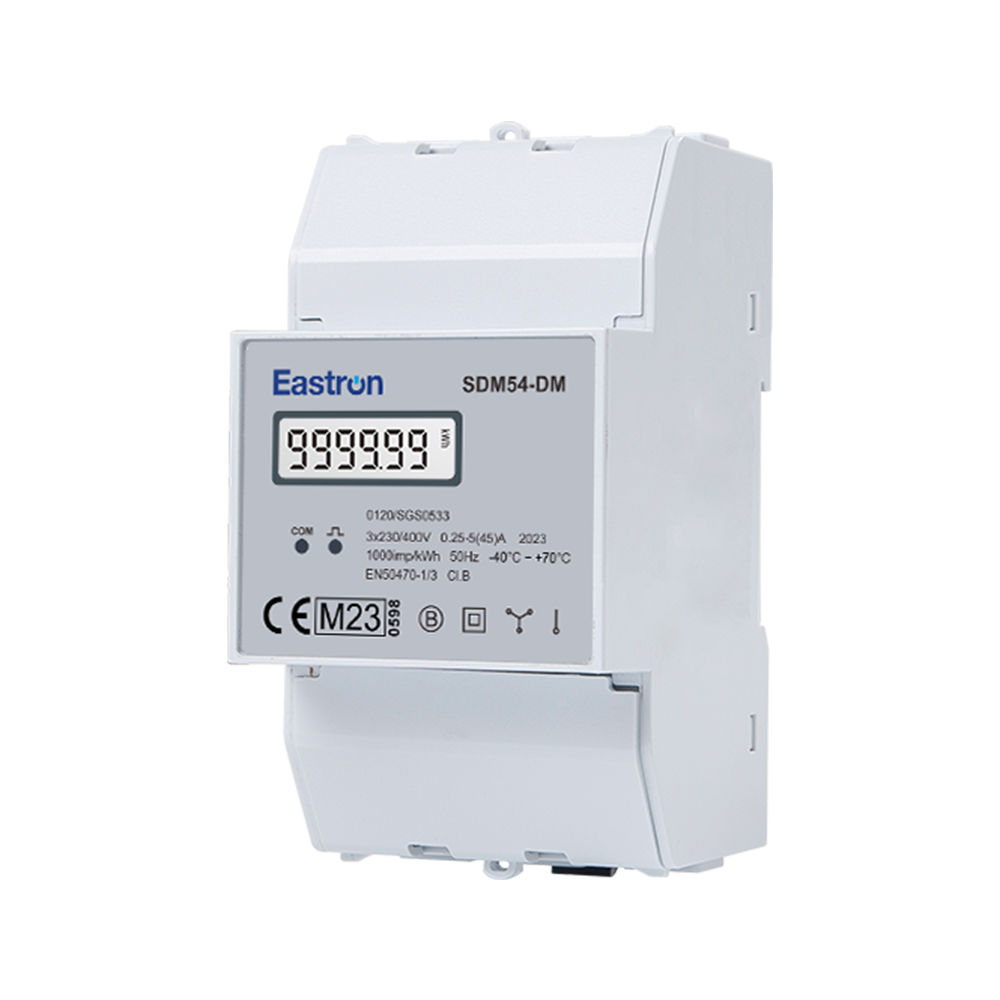
Most sub-metering applications use DIN rail-mounted meters installed inside distribution boards. These compact devices (typically 2 to 6 DIN modules wide) fit standard 35mm DIN rails and are straightforward to install alongside circuit breakers. Panel-mounted or socket-type meters are preferred for portable applications or where the meter must be accessible to the end user. Confirming the correct form factor before procurement avoids installation complications on site.
The rapid expansion of electric vehicle infrastructure has made MID certification a particularly pressing topic for charge point operators (CPOs) and property managers. The EU's Alternative Fuels Infrastructure Regulation (AFIR), which came into full effect in 2024, mandates that publicly accessible EV chargers with a power output of 50 kW or more must provide kWh-based pricing, which in turn requires MID-certified metering within the charger itself or at the point of supply.
For workplace charging and residential multi-unit developments, MID meters enable fair cost recovery between employees or residents without relying on approximations or flat fees. A properly certified meter records each session's exact consumption, provides a tamper-evident audit trail, and supports automated invoicing through integration with charge management platforms. This level of transparency builds trust with EV users and reduces billing disputes substantially.
When specifying MID meters for EV charging applications, look for devices rated for bidirectional measurement if vehicle-to-grid (V2G) functionality is planned. Additionally, confirm that the meter's maximum current rating comfortably exceeds the charger's peak draw — for a 22 kW AC charger, a meter rated to at least 32A per phase is appropriate.
MID certification covers the meter as manufactured, but the integrity of that certification depends on correct installation and ongoing maintenance. Improper wiring, exposure to excessive heat or moisture, or physical damage can compromise measurement accuracy even in a certified device. Best practices for maintaining MID compliance in the field include:
MID certification has a defined validity period — typically 8 to 16 years depending on the member state's national metrology authority requirements. After this period, the meter must either be recertified through re-verification testing or replaced. Operators managing large meter estates should maintain a recertification schedule to avoid inadvertently using expired meters in billing applications.
For property managers, facility operators, and energy service companies, the investment in MID-certified meters pays dividends well beyond regulatory compliance. Accurate, tamper-evident metering reduces revenue leakage, supports transparent cost allocation, and provides the data foundation for energy efficiency initiatives. When tenants or EV users can see precise, legally valid consumption data, trust in the billing process increases and the administrative burden of handling disputes decreases.
Furthermore, as energy prices remain elevated and sustainability reporting requirements tighten under frameworks like the EU's Corporate Sustainability Reporting Directive (CSRD), having granular, high-accuracy energy consumption data from MID-certified meters becomes a competitive advantage. Organizations can demonstrate verified consumption figures to auditors, report accurate Scope 2 emissions, and identify inefficiencies with confidence that the underlying data is sound. In this context, a MID energy meter is not merely a compliance tool — it is a foundational element of a credible energy management strategy.
Your email address will not be published. Required fields are marked *

We develop and produce high performance electricity meters, power analyzers, current sensors, communication modules and management systems.
Address:NO. 52, Dongjin Road, Nanhu, Jiaxing, Zhejiang, China
Copyright @ Eastron Electronic Co., Ltd. All rights reserved
