

 English
 Español
 Deutsch
 中文简体
中文简体
Product Consultation
Your email address will not be published. Required fields are marked *
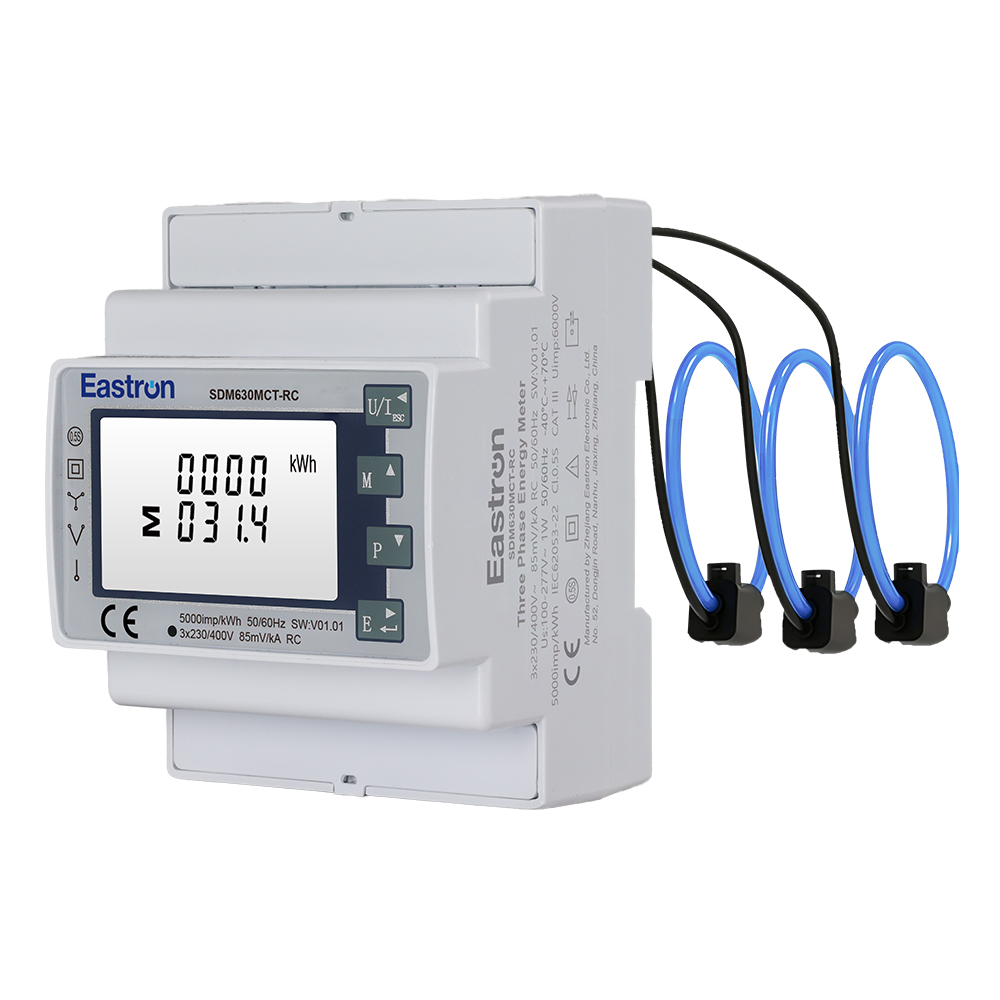
Multi-function Energy Meter: How to Choose the Right One for Billing and Monitoring
Sep 17,2026
Smart Meter FAQ (Part 2) | An Analysis of Communication, Accuracy, and Core Functions
Sep 11,2026
As the demand for AI computing power heats up, how is power management in data centers evolving?
Sep 11,2026Content
A single phase electronic kWh meter measures the amount of electrical energy consumed in a home or small business by continuously sampling voltage and current on a single-phase supply line, then calculating power using digital signal processing rather than the spinning aluminum disc found in older electromechanical meters. Inside the meter, an analog-to-digital converter feeds voltage and current samples into a metering integrated circuit, which multiplies these values to determine instantaneous power and integrates that power over time to produce a cumulative energy reading in kilowatt-hours. This digital approach delivers far greater accuracy than mechanical meters, particularly at low load levels, and allows for additional features such as remote reading, tamper detection, and time-of-use billing that mechanical meters cannot support.
Because the meter is fully electronic, it typically displays consumption data on a small LCD screen and stores historical readings in non-volatile memory, ensuring data is not lost during a power outage. Many modern units also include a pulse output or communication port, enabling integration with automatic meter reading (AMR) or advanced metering infrastructure (AMI) systems used by utilities for remote billing.
Understanding the internal architecture of a single phase electronic kWh meter helps explain why these devices are both accurate and reliable over long service periods.
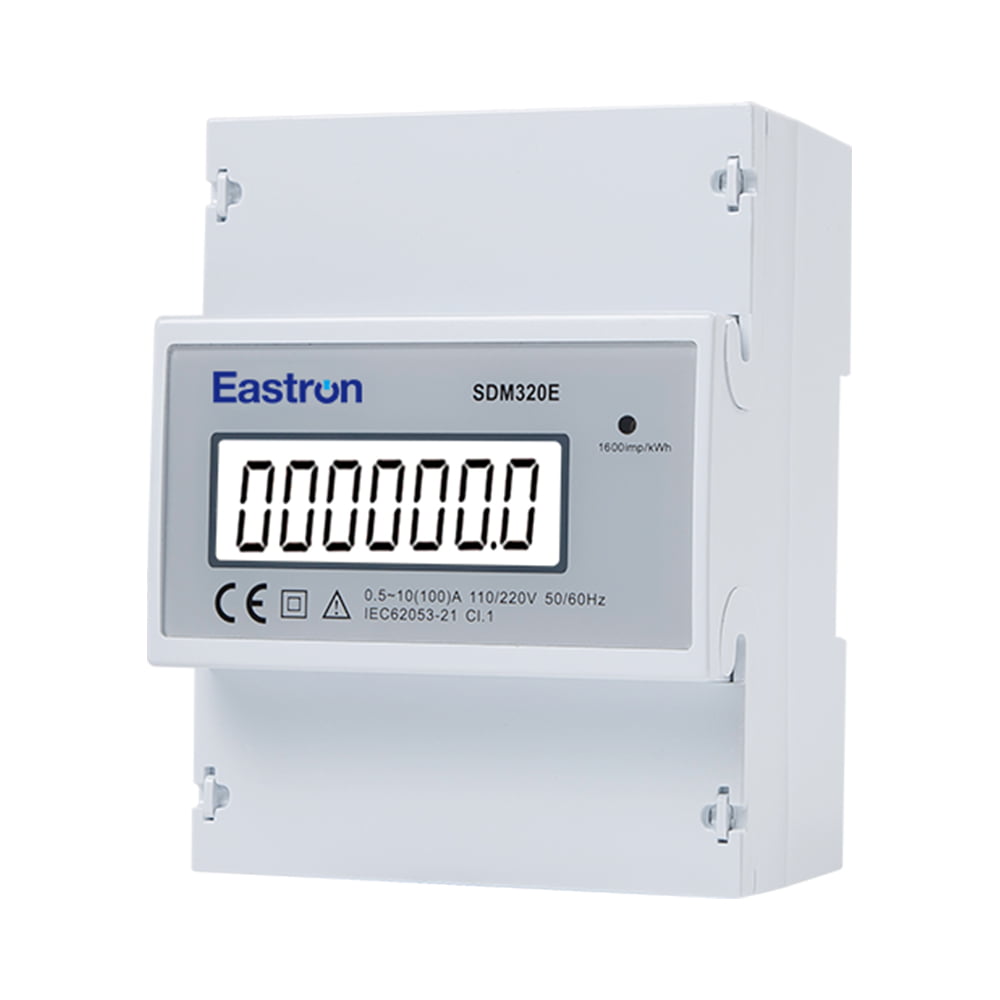
Electronic kWh meters are manufactured to meet specific accuracy classes defined by international standards such as IEC 62053-21, which specifies the maximum allowable error percentage at different load conditions. Selecting the correct accuracy class matters for both utility billing fairness and regulatory compliance.
| Accuracy Class | Maximum Error | Typical Use |
| Class 0.5S | ±0.5% | Commercial billing, high-precision applications |
| Class 1 | ±1% | Standard residential billing meters |
| Class 2 | ±2% | Basic sub-metering, non-billing monitoring |
The shift from spinning-disc meters to electronic models has brought measurable improvements in both accuracy and functionality. Electronic meters maintain consistent accuracy across a wider load range, including very low loads where mechanical meters often under-register consumption due to disc friction. They are also less susceptible to certain forms of tampering, since many models detect magnetic interference or reverse current flow and log these events for utility review.
Correct installation ensures accurate readings and safe long-term operation. A single phase electronic kWh meter is typically wired between the incoming utility supply and the premises' main distribution board, with the meter's terminal block clearly marked for line and load connections on both the incoming and outgoing sides.
Most single phase electronic kWh meters cycle through several display screens automatically or via a button press, showing cumulative energy in kWh alongside additional data such as current demand, voltage, and error codes. Cumulative energy is usually the primary billing figure, while instantaneous readings help identify unusually high loads or potential wiring issues. Error codes displayed on the screen, often a short alphanumeric sequence, can indicate conditions such as reverse current, over-voltage, or communication faults, and consulting the manufacturer's manual for the specific code helps determine whether a service call is needed.
Electronic kWh meters require minimal maintenance due to their solid-state design, but periodic checks help ensure continued accuracy and reliability. Inspecting terminal connections for signs of overheating or discoloration, verifying that the display remains legible, and confirming that any communication modules are still transmitting data are all useful routine checks for property managers or facility staff responsible for sub-metering. If a meter's display goes blank or shows erratic readings, the cause is often a loose terminal connection or a failed internal power supply component rather than a metering error, and in most cases the unit should be replaced rather than repaired due to its sealed construction and calibration requirements.
Your email address will not be published. Required fields are marked *

We develop and produce high performance electricity meters, power analyzers, current sensors, communication modules and management systems.
Address:NO. 52, Dongjin Road, Nanhu, Jiaxing, Zhejiang, China
Copyright @ Eastron Electronic Co., Ltd. All rights reserved
