

 English
 Español
 Deutsch
 中文简体
中文简体
Product Consultation
Your email address will not be published. Required fields are marked *
Content
Understanding how to read your electric meter empowers you to monitor energy consumption, verify billing accuracy, and identify opportunities for reducing electricity costs. Electric meters measure the kilowatt-hours (kWh) of electricity consumed in your home or business, providing the foundational data utility companies use to calculate your monthly charges. Whether you have a traditional analog meter with rotating dials, a digital electronic meter, or a modern smart meter, knowing how to interpret the readings gives you valuable insight into your energy usage patterns.
Electricity meters serve as the official measurement device recording power consumption between you and your utility provider. Reading your meter regularly allows you to track consumption trends, detect unusual spikes that might indicate problems or inefficiencies, and take proactive steps to manage energy costs. This comprehensive guide covers all meter types, reading techniques, calculation methods, and practical strategies for monitoring and optimizing your electricity usage.
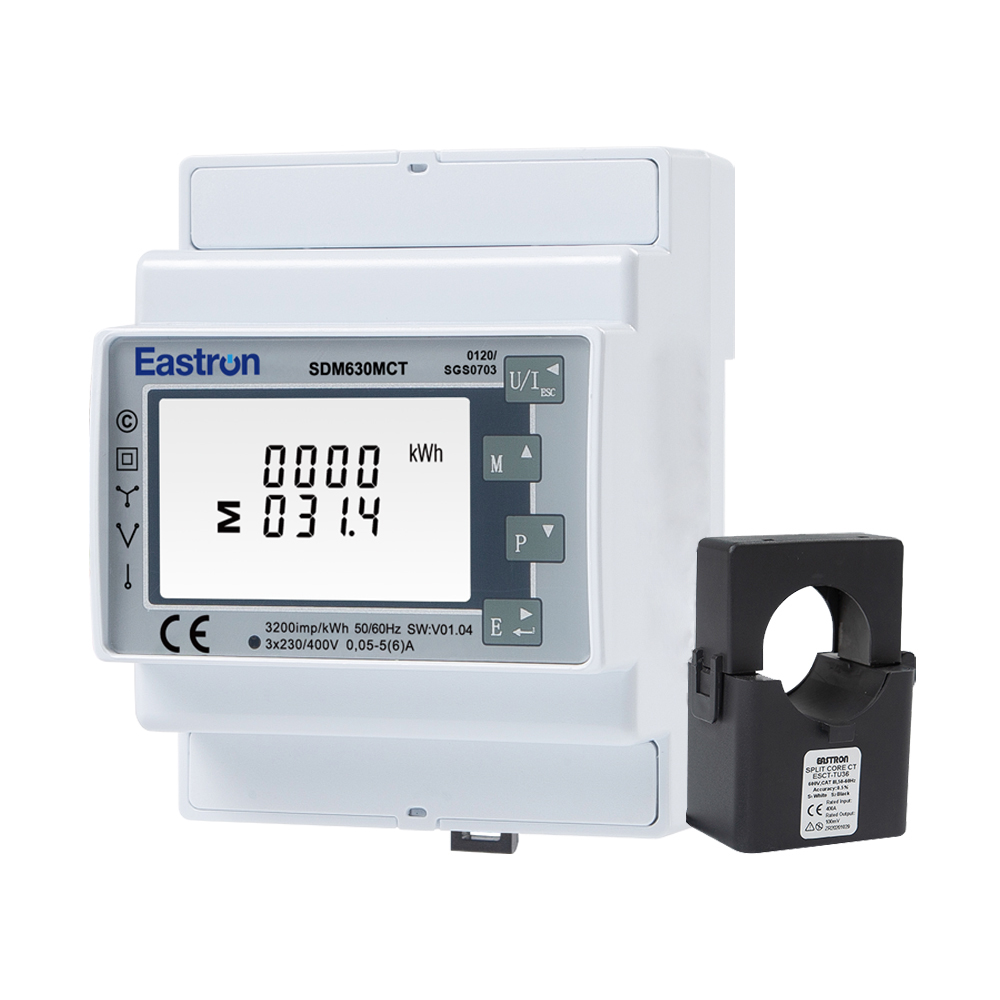
Electric meters measure energy consumption in kilowatt-hours, the standard unit representing the amount of electricity used over time. One kilowatt-hour equals 1,000 watts of power consumed continuously for one hour. For example, running a 100-watt light bulb for 10 hours consumes 1 kWh of electricity. Understanding this measurement unit is fundamental to interpreting meter readings and calculating energy costs.
Analog meters, also called electromechanical or dial meters, use a series of rotating dials to display cumulative electricity consumption. These traditional meters have been in use for over a century and remain common in older installations. The meter contains four to five circular dials, each numbered 0-9, with consecutive dials rotating in opposite directions. An internal mechanism driven by electromagnetic induction turns the dials proportionally to electricity consumption, creating a permanent cumulative record that never resets to zero.
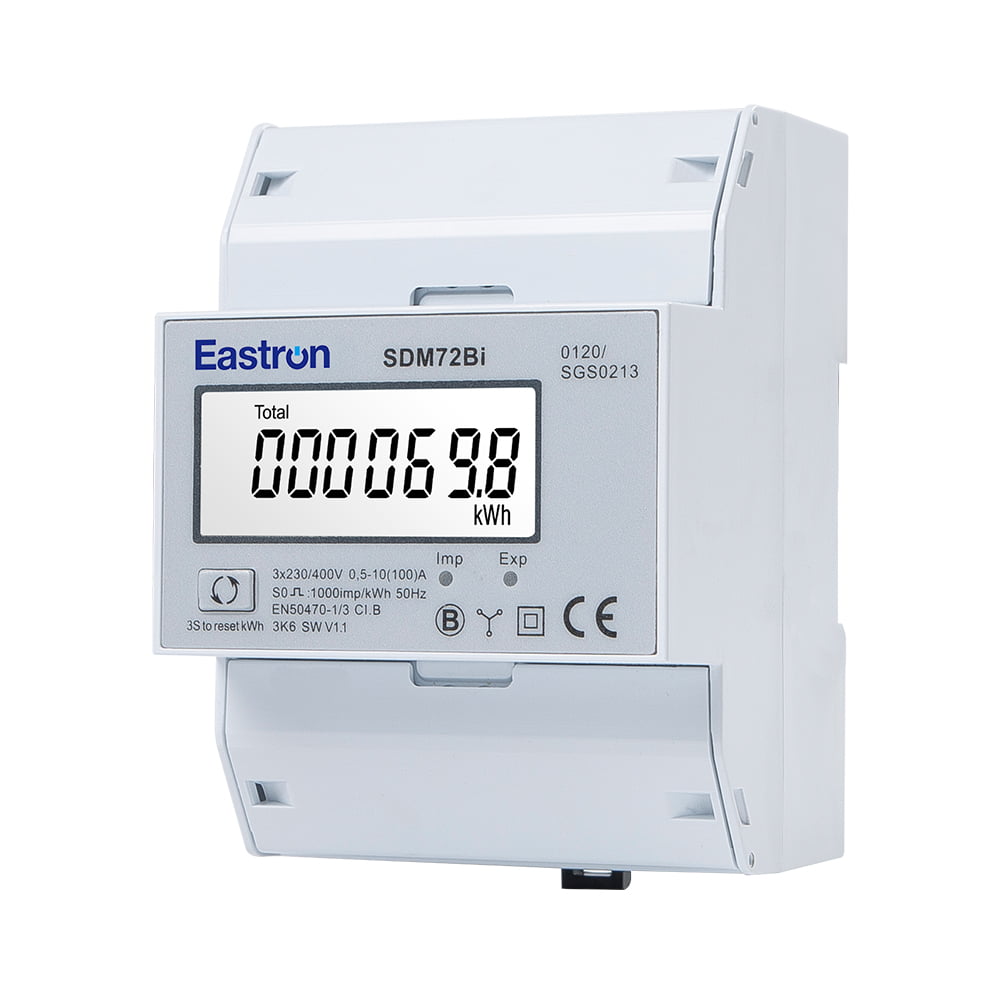
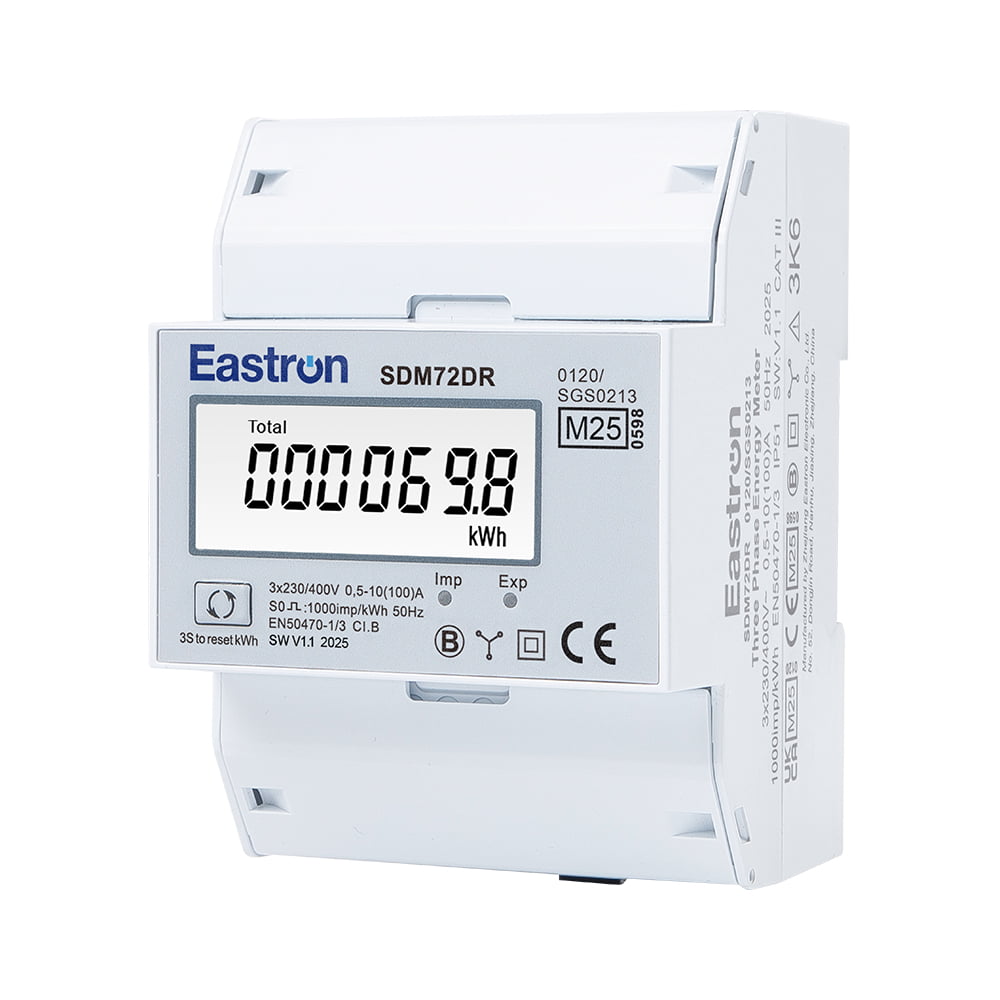
Digital electronic meters display consumption on an LCD or LED screen showing numbers directly, eliminating the need to interpret rotating dials. These meters offer improved accuracy compared to analog versions and may display additional information including current power demand, voltage, and time-stamped consumption data. Digital meters update readings continuously, typically showing the total kWh consumed since installation. Some models cycle through multiple displays showing different metrics, requiring you to wait for or navigate to the total consumption reading.
Smart meters represent the latest generation of electricity measurement technology, featuring two-way communication capabilities that automatically transmit consumption data to utility companies. These advanced meters eliminate the need for manual meter reading by utility workers, enable time-of-use pricing programs, and provide detailed consumption information through customer portals or mobile applications. Smart meters typically feature digital displays similar to electronic meters but include wireless communication modules connecting to utility networks. The enhanced data collection capabilities allow for near real-time monitoring and detailed analysis of electricity usage patterns.
Residential electric meters are typically installed on exterior walls near the main electrical service entrance, allowing utility workers to access them without entering the property. Common locations include the side or rear of the house near the electrical panel, attached to the garage, or mounted on a dedicated meter pedestal in the yard. In apartment buildings and multi-unit dwellings, meters may be grouped together in a secure meter room or bank of meters, each labeled with the corresponding unit number or address.
If you have difficulty locating your meter, examine your property's exterior walls near where electrical service lines enter from utility poles or underground conduits. The meter connects directly to the main service panel, so following the conduit or wire path from your electrical panel often leads to the meter location. Your electric bill may include the meter number, which appears on a label or nameplate on the meter face, helping you identify the correct meter in shared installations.
Reading analog meters requires understanding the dial configuration and following a specific sequence to obtain an accurate measurement. Despite seeming complex at first, the process becomes straightforward with practice and attention to detail.
Analog meters typically feature four or five dials arranged horizontally, each representing a different decimal position in the total kWh reading. The rightmost dial represents single units, the next dial represents tens, followed by hundreds, thousands, and ten thousands. Critically, consecutive dials rotate in opposite directions—if the first dial turns clockwise, the second turns counterclockwise, the third clockwise again, and so on. This alternating rotation pattern results from the mechanical gearing system inside the meter.
Each dial face is numbered 0 through 9 in a clockwise arrangement, with a pointer indicating the current value. The direction of rotation is usually marked on the dial face with arrows or can be determined by observing which way the numbers increase. Understanding which direction each dial rotates is essential for accurate reading, as misinterpreting rotation direction leads to incorrect values.
Begin reading from the dial representing the highest value (leftmost dial) and proceed sequentially to the lowest value (rightmost dial). For each dial, record the number the pointer has just passed. This rule is crucial: when the pointer falls between two numbers, always record the lower number. The only exception occurs when the pointer appears to be directly on a number—in this case, check the next dial to the right. If that dial's pointer has passed zero, record the number the pointer appears to be on. If the next dial has not yet reached zero, record the number below.
For example, if you have a five-dial meter and the readings from left to right show: 4 (between 4 and 5), 7 (between 7 and 8), 3 (just past 3), 6 (between 6 and 7), and 2 (between 2 and 3), your reading would be 47,362 kWh. When the pointer appears exactly on a number, careful observation is necessary. If a pointer seems to be on 5, but the next dial to the right shows 9 (hasn't reached 0 yet), record 4 instead of 5 because the dial hasn't fully completed its rotation to 5.
The most frequent error in reading analog meters involves recording the higher number when the pointer falls between two digits. Always remember to record the lower number when the pointer has not completely reached the next digit. Ignoring the alternating rotation direction of consecutive dials leads to confusion and incorrect readings. Take time to identify which direction each dial rotates before recording values.
Another common mistake occurs when reading dials where pointers appear to be directly on numbers. This requires checking the next dial to the right to determine whether the current dial has completed its rotation to that number. Rushing through the reading process increases error likelihood, so approach meter reading methodically, double-checking each dial before recording the final value.
Digital meters simplify the reading process by displaying consumption values directly on an electronic screen, eliminating the interpretation challenges associated with analog dials. However, understanding what information the display shows and how to navigate multiple screens ensures accurate readings.
Most digital electric meters display the total kilowatt-hours consumed since installation as a series of digits on an LCD or LED screen. The display typically shows 5 to 7 digits, with the kWh reading appearing as a straightforward number such as 47362. Some meters include a decimal point showing fractional kWh consumption, though for billing purposes, utilities typically use only whole numbers, ignoring or rounding decimal portions.
The screen may also display units of measurement, typically "kWh" or "KWH," confirming you're viewing the energy consumption reading. If the display shows other units like "kW" (kilowatts), this indicates instantaneous power demand rather than cumulative consumption. Some digital meters include additional screens showing maximum demand, power factor, voltage, or other technical parameters. The total consumption reading is the primary value needed for tracking usage and calculating costs.
Advanced digital meters cycle through multiple displays automatically or allow manual navigation using buttons on the meter face. These meters might show various data points including total consumption, current demand, time-of-use registers for different rate periods, voltage readings, and diagnostic information. The displays typically cycle every few seconds, or you can press a button to advance to the next screen.
Look for labels or codes on the display indicating what information is being shown. Common codes include "TOTAL KWH" for cumulative consumption, "KW" or "DEMAND" for current power usage, and numbered registers like "R1," "R2," etc., for time-of-use rates. If your utility uses time-of-use pricing, you may need to record multiple register readings corresponding to peak, off-peak, and shoulder periods. Your utility bill will indicate which registers to monitor and how they correspond to different rate periods.
Digital meters often include symbols or indicators providing additional information about meter status and operation. A lightning bolt or similar symbol may indicate electricity is currently flowing, while other icons might show whether the meter is in normal operation, detected tampering, or experienced errors. Communication indicators on smart meters show network connectivity status, with symbols representing signal strength or connection status to the utility's network.
Battery indicators appear on meters with backup power supplies, showing whether the internal battery is charged. This battery allows the meter to retain data and maintain clock functions during power outages. If you see error codes or unusual symbols, consult the meter manual or contact your utility, as these may indicate technical issues requiring attention.
Smart meters provide the same basic consumption information as traditional meters while offering enhanced features including remote reading, detailed usage data, and integration with online monitoring tools. Understanding how to read the physical meter and access digital consumption data maximizes the benefits of smart meter technology.
Smart meters typically feature digital displays similar to electronic meters, showing total kWh consumption and potentially additional information. The reading process mirrors that of standard digital meters—simply record the number displayed on the screen when it shows total consumption. Many smart meters cycle through multiple display screens showing current usage, total consumption, and sometimes historical data or rate information.
Some smart meters include button controls allowing manual navigation through different displays and information screens. The total cumulative consumption reading remains the key value for verifying billing accuracy and tracking overall usage trends. While smart meters transmit data automatically to utilities, understanding how to read the physical display ensures you can verify information and monitor usage even without internet access to online portals.
The primary advantage of smart meters lies in their ability to provide detailed consumption data through online customer portals or mobile applications. Most utilities operating smart meter programs offer web-based platforms where customers can view hourly, daily, monthly, and annual consumption data. These platforms typically require account setup using your utility account number and personal information for verification.
Once logged in, you can access consumption graphs, export data to spreadsheets, compare usage across different time periods, and sometimes receive alerts when consumption exceeds predetermined thresholds. The granular data allows identification of usage patterns, peak consumption periods, and the impact of behavior changes or efficiency improvements. Some utilities provide comparative data showing your consumption against similar households, helping contextualize your energy use.
Smart meters enable time-of-use rate programs where electricity costs vary based on time of day, day of week, or seasonal demand. The meter automatically tracks consumption during different rate periods, with the data used to calculate bills reflecting higher prices during peak demand periods and lower rates during off-peak times. Participating in these programs can reduce electricity costs by shifting consumption to lower-rate periods when possible.
Advanced smart meters support additional features including remote connection and disconnection of service, voltage monitoring to detect power quality issues, and outage notification allowing utilities to identify and respond to service interruptions more quickly. Some meters integrate with home energy management systems, enabling automated responses to pricing signals or consumption targets. The enhanced capabilities make smart meters valuable tools for both utilities and consumers seeking better control over energy consumption and costs.
Understanding how to calculate electricity consumption from meter readings and estimate costs provides financial insight and helps verify billing accuracy. The calculation process is straightforward but requires attention to detail and understanding of your utility's rate structure.
To calculate electricity consumption for a given period, subtract the previous meter reading from the current reading. The difference represents the kilowatt-hours consumed during that interval. For example, if your previous reading was 45,280 kWh and your current reading is 45,892 kWh, your consumption for the period is 612 kWh (45,892 - 45,280 = 612). This subtraction method works for all meter types, whether analog, digital, or smart.
When tracking consumption over specific periods like days, weeks, or months, record the meter reading at consistent times. Reading your meter at the same time each day eliminates variations caused by time-of-day differences in the measurement interval. For monthly tracking, recording readings on the same calendar day each month provides consistent comparison periods, though the actual number of days varies slightly between months.
Calculate estimated electricity costs by multiplying consumption in kWh by your utility's rate per kWh. Residential electricity rates in the United States typically range from $0.10 to $0.30 per kWh depending on location, with the national average around $0.14 per kWh. If you consumed 612 kWh at a rate of $0.14 per kWh, your estimated electricity cost would be $85.68 (612 × $0.14 = $85.68).
However, actual bill calculations often involve more complexity than simple multiplication. Many utilities use tiered rate structures where the price per kWh increases as consumption rises above certain thresholds. Time-of-use rates charge different prices for electricity consumed during peak, off-peak, and shoulder periods. Additionally, bills include various fees and charges beyond energy consumption costs, including basic service charges, distribution fees, transmission charges, and taxes. These additional charges can add 20-50% or more to the basic energy cost.
Electric bills typically itemize several components contributing to the total amount due. The energy charge represents the cost of electricity consumed, calculated by multiplying kWh usage by the applicable rate(s). The customer charge or basic service charge is a fixed monthly fee covering meter reading, billing, and maintaining your service connection, charged regardless of consumption. Demand charges, common in commercial bills but rare for residential customers, reflect the peak power level drawn during the billing period.
Distribution and transmission charges cover the cost of delivering electricity from generation sources to your location through the electrical grid. Regulatory charges may include public benefits programs, renewable energy surcharges, or other mandated fees. Taxes vary by jurisdiction and can include state sales taxes, municipal utility taxes, and other government-imposed charges. Understanding these components helps interpret bills and identify opportunities for reducing costs through consumption reduction or rate optimization.
| Bill Component | Description | Typical Range |
| Energy Charge | Cost of kWh consumed | $0.10-$0.30 per kWh |
| Customer Charge | Fixed monthly service fee | $5-$25 per month |
| Distribution Charge | Delivery infrastructure costs | $0.02-$0.08 per kWh |
| Transmission Charge | High-voltage grid costs | $0.01-$0.04 per kWh |
| Taxes and Fees | Government charges | 5-15% of total bill |
Regular monitoring of electricity consumption provides valuable insights into usage patterns, identifies opportunities for cost savings, and helps detect problems or inefficiencies. Establishing a systematic tracking routine and using appropriate tools makes monitoring manageable and effective.
Daily meter readings provide the most detailed consumption data, revealing day-to-day variations and allowing quick identification of unusual usage. Reading your meter at the same time each day eliminates time-of-day variations in the measurement period. Morning readings before daily activities begin establish consistent baselines, while evening readings capture full daily consumption. Recording daily readings requires only a few minutes but generates comprehensive data for analysis.
Weekly readings balance detail with convenience, providing sufficient data to identify trends without the commitment of daily monitoring. Choose a specific day and time for weekly readings, such as Sunday evening, maintaining consistency that enables accurate week-to-week comparisons. Monthly readings align with billing cycles, allowing verification of utility bills and tracking long-term consumption trends. Reading your meter just before or after the utility reads it for billing purposes enables direct comparison with billed consumption.
Maintain a log of meter readings with dates and values, allowing calculation of consumption for each interval. Simple paper logs work well for basic tracking, while spreadsheets enable automated calculations, graphing, and analysis. Create columns for date, meter reading, consumption since last reading (calculated by subtraction), and notes about weather, activities, or changes that might affect usage. Organizing data systematically makes patterns and anomalies readily apparent.
Digital tools and apps specifically designed for energy tracking offer additional features including automated calculations, consumption graphs, cost estimates, and comparison tools. Some applications integrate with smart meter data, automatically importing readings and providing advanced analytics. Whether using paper, spreadsheets, or dedicated software, consistent data recording forms the foundation for meaningful consumption analysis and optimization efforts.
Evening meter readings capture full daily consumption, providing consistent daily measurements for tracking. Reading the meter at the same time each evening, such as 9:00 PM, establishes regular intervals enabling accurate day-to-day comparisons. Record both the current meter reading and calculate the difference from the previous evening's reading, yielding consumption for the 24-hour period.
Compare daily consumption values to identify patterns and anomalies. Typical residential consumption ranges from 20-40 kWh per day for average homes, though this varies significantly based on home size, climate, appliances, and lifestyle. Higher consumption on certain days might correlate with weather extremes requiring heating or cooling, laundry days, or other high-energy activities. Unexplained spikes warrant investigation, potentially indicating malfunctioning equipment, unintended appliance operation, or other issues requiring attention.
Plug-in electricity monitors measure consumption of individual appliances and devices, providing insights impossible from whole-house meter readings alone. These devices plug into outlets with appliances connected through them, measuring and displaying real-time power draw and accumulated consumption. Kill-a-watt meters and similar devices cost $20-40 and help identify energy-hungry appliances, phantom loads from devices in standby mode, and the impact of usage patterns on consumption.
Whole-home electricity monitors install at the electrical panel, measuring total house consumption with real-time feedback displayed on wireless monitors or smartphone apps. These systems provide immediate feedback on consumption changes when appliances turn on or off, helping understand which activities and devices drive electricity usage. The real-time data enables behavioral changes that reduce consumption, as immediate feedback reinforces the connection between actions and energy use.
Unusually high meter readings or consumption values warrant investigation to identify causes and potential problems. Understanding what constitutes high consumption and systematically diagnosing the source helps address issues before they result in excessive bills.
Average residential electricity consumption in the United States is approximately 877 kWh per month, or about 29 kWh per day, though this varies significantly by region, climate, and household characteristics. Homes in hot southern states often consume 1,200-1,500 kWh monthly due to air conditioning demands, while moderate climates might average 600-900 kWh monthly. Individual home consumption depends on square footage, number of occupants, appliance efficiency, heating and cooling systems, and lifestyle factors.
A high reading is relative to your typical consumption rather than absolute values. If your normal monthly consumption is 800 kWh and suddenly jumps to 1,200 kWh without obvious explanation, investigation is warranted. Similarly, daily consumption consistently exceeding your historical average by 20% or more suggests changed usage patterns or potential problems. Seasonal variations are normal—summer and winter consumption typically exceed spring and fall due to heating and cooling demands—but year-over-year increases beyond inflation and rate changes merit examination.
Heating and cooling systems represent the largest energy consumers in most homes, accounting for 40-50% of residential electricity use. Malfunctioning HVAC systems, dirty filters restricting airflow, refrigerant leaks reducing efficiency, or thermostats set to extreme temperatures dramatically increase consumption. Regular maintenance, proper thermostat management, and prompt repair of equipment problems optimize HVAC efficiency and prevent excessive energy use.
Water heaters consume 14-18% of residential electricity, with older or poorly maintained units using more energy. Sediment buildup in tank water heaters reduces efficiency, while excessively high temperature settings waste energy. Leaking hot water pipes or fixtures cause continuous heating cycles maintaining temperature in water that never reaches use points. Insulating water heaters and pipes, lowering temperature settings to 120°F, and repairing leaks reduce water heating consumption significantly.
Major appliances including refrigerators, clothes washers and dryers, dishwashers, and ovens contribute substantially to electricity consumption. Older, inefficient appliances use considerably more energy than modern Energy Star certified models. A 15-year-old refrigerator might consume 1,200-1,400 kWh annually compared to 350-400 kWh for efficient current models. Malfunctioning appliances, such as refrigerators with failing door seals or dryers with clogged vents, operate longer and work harder, increasing energy consumption.
When meter readings reveal unexpected consumption increases, systematic investigation identifies the cause. Begin by verifying the meter reading is accurate and calculating consumption correctly. Reread the meter and confirm you're using the correct previous reading for comparison. Check whether the billing period was longer than usual, as an extra few days of consumption can significantly increase the total.
Review any changes in household circumstances during the high-consumption period. Did weather extremes require increased heating or cooling? Did household occupancy increase with guests or family members home more than usual? Were major appliances used more frequently for events, projects, or seasonal activities? These factors often explain temporary consumption increases that return to normal when circumstances change.
If no obvious explanations emerge, conduct an appliance audit by turning off all circuit breakers except one and checking which appliances or circuits are on that breaker. Monitor the meter to see if consumption continues with everything supposedly off—this might indicate electrical problems, unauthorized usage, or meter errors. Turn on appliances and systems individually while monitoring the meter to identify any consuming unexpectedly high amounts of electricity. This process requires time but effectively identifies problem equipment or circuits.
Understanding utility meter reading practices helps you verify billing accuracy and recognize when meter readings might contain errors requiring correction. Different reading methods have varying accuracy and error potential.
Traditional meter reading involves utility workers physically visiting properties to read meters and record consumption values. Meter readers follow routes visiting hundreds of meters daily, reading and recording values using handheld devices or forms. This manual process is subject to human error—readers might misread dials, transpose digits, or record values for the wrong meter in areas with multiple meters in close proximity.
Most utilities read meters monthly, though some use bimonthly reading with estimated bills for alternate months. Reading schedules typically follow consistent calendar dates, though the actual reading date might vary by a few days based on reader routes and weekends. Your bill shows both the previous and current reading dates, allowing verification of the billing period length. Bills should also indicate whether the current reading is actual or estimated.
Automated meter reading (AMR) systems enable remote collection of meter data without physically accessing meter displays. Drive-by AMR uses radio transmitters in meters broadcasting readings to receivers in utility vehicles driving through neighborhoods. Walk-by systems work similarly but require readers to walk within radio range rather than drive. These systems reduce labor costs and improve reading frequency while minimizing human error in recording values.
Fixed network AMR installations include permanent receivers positioned throughout service territories, collecting readings from nearby meters at programmed intervals. These networks enable daily or even hourly reading without human intervention, providing detailed consumption data for billing and analysis. The automated systems virtually eliminate reading errors though technical failures, communication problems, or equipment malfunctions can occur.
Smart meters communicate consumption data to utilities through wireless networks, typically cellular, radio frequency mesh networks, or power line communication systems. These meters transmit detailed readings at programmed intervals, often hourly or more frequently, providing utilities with near real-time consumption data. The two-way communication enables utilities to remotely configure meters, update firmware, detect tampering or outages, and implement dynamic pricing programs.
The automated data collection eliminates meter reading errors and reduces operational costs associated with manual reading. Customers benefit from accurate bills without estimates, detailed consumption data for monitoring and optimization, and faster response to service issues. However, smart meter systems require functioning communication networks, and technical failures can prevent data transmission, requiring manual intervention or estimated billing until problems are resolved.
When utilities cannot obtain actual meter readings due to access problems, equipment failures, or operational constraints, they generate estimated bills based on historical consumption patterns. Estimates typically use average consumption from previous months or the same period in previous years, adjusted for known factors like weather variations. Bills clearly mark estimated readings, usually with "E" or "EST" designations.
Estimated bills eventually require correction when actual readings become available. If estimates were too low, a true-up bill charges for the additional consumption, potentially creating surprisingly high bills when accumulated underestimation is corrected. Conversely, overestimated consumption results in credits on subsequent bills. You can avoid estimate-related billing surprises by providing actual meter readings to your utility when you know estimates are being used, most utilities accept customer-submitted readings through websites, phone systems, or mobile apps.
Checking that billed consumption matches your meter readings and understanding how to address discrepancies protects you from billing errors and ensures you pay only for electricity actually consumed.
Your electric bill shows previous and current meter readings used to calculate consumption. Verify these readings match actual values on your meter, accounting for the billing period dates. If you maintain your own reading log, compare your recorded values near the billing dates with those shown on the bill. Small discrepancies of a few kWh are normal due to reading time differences, but large variations warrant investigation.
Calculate consumption yourself by subtracting the previous reading from the current reading, verifying it matches the billed consumption. Check that the billing period length is typical—most monthly bills cover 28-32 days, with variations explained by calendar differences and reading schedules. Significantly shorter or longer billing periods affect consumption totals and should be noted when comparing to historical usage.
Meter reading mistakes occur when readers misread dials, transpose digits, or record wrong meter numbers. A previous reading of 47,362 might be recorded as 47,632, causing calculated consumption to appear abnormally low, with correction creating high bills in subsequent periods. Estimated readings based on inaccurate historical data or unusual circumstances lead to incorrect bills requiring adjustment when actual readings resume.
Rate application errors happen when consumption is billed at incorrect prices, wrong rate schedules are applied, or time-of-use consumption is assigned to wrong periods. Computational errors in multiplying consumption by rates or adding bill components occasionally occur, though automated billing systems minimize this risk. Reviewing bill calculations and comparing rates to tariff schedules available from utilities identifies these errors.
When you identify billing discrepancies, contact your utility's customer service department promptly. Provide your account number, bill details, and specific issues you've identified. If you have meter reading records documenting actual consumption, share this information supporting your position. Most utilities investigate disputed bills, reread meters if necessary, and issue corrected bills when errors are confirmed.
Document all communications with the utility including dates, representative names, and outcomes. If initial contact doesn't resolve the issue, request escalation to supervisors or formal dispute resolution processes. Most jurisdictions have regulatory agencies overseeing utilities with complaint processes available when direct resolution with the utility fails. However, most billing disputes are resolved through utility customer service without requiring regulatory intervention.
For serious discrepancies suggesting meter malfunction, request meter testing. Utilities typically test meters at customer request, often for a fee waived if the meter proves inaccurate beyond acceptable tolerances. Meters found functioning correctly validate billing accuracy, while malfunctioning meters result in bill adjustments based on estimated actual consumption and meter replacement at utility expense.
Meter reading and consumption monitoring serve as foundations for identifying cost-saving opportunities and implementing energy efficiency measures. Converting data into action requires systematic analysis and targeted interventions.
Analyze consumption patterns to identify periods, activities, or systems driving electricity use. Compare consumption across different times of day, days of week, and seasons to understand when and why usage peaks. Higher evening consumption might indicate lighting, entertainment, and cooking loads, while overnight consumption reveals always-on devices and phantom loads. Seasonal patterns show heating and cooling impacts, suggesting efficiency improvements in these systems yield greatest savings.
Conduct experiments modifying behavior or settings while monitoring meter changes. Lower your thermostat by two degrees for a week and track daily consumption compared to previous weeks at higher settings. The consumption reduction quantifies savings from this simple change. Test the impact of unplugging devices, using timers, adjusting water heater temperature, or other efficiency measures, using meter data to verify actual savings rather than relying on estimates.
Behavioral changes offer immediate savings without capital investment. Adjusting thermostat settings seasonally—78°F for cooling, 68°F for heating—balances comfort with efficiency. Turning off lights in unoccupied rooms, using natural lighting when possible, and replacing incandescent bulbs with LEDs reduces lighting consumption by 75-80%. Running dishwashers and clothes washers only with full loads, using cold water for laundry, and air-drying dishes and clothes eliminates unnecessary consumption.
Equipment upgrades provide larger savings, though they require upfront investment. Replacing old appliances with Energy Star certified models reduces consumption by 10-50% depending on the appliance and age of the replaced unit. Adding insulation, sealing air leaks, and upgrading windows improve building envelope performance, reducing heating and cooling demands. LED lighting retrofits, programmable thermostats, and high-efficiency HVAC systems deliver substantial long-term savings justifying initial costs through reduced electric bills.
If your utility offers time-of-use pricing, shift consumption from expensive peak periods to cheaper off-peak times when possible. Run dishwashers, clothes washers, and dryers during off-peak hours, typically overnight and early morning. Precool or preheat your home during off-peak periods, then maintain temperature during peak hours with minimal HVAC operation. Charge electric vehicles overnight when rates are lowest. Smart home systems and programmable controls automate consumption shifting, maximizing savings without requiring manual intervention.
Monitor consumption by time period using smart meter data or time-of-use monitoring equipment to understand your usage distribution. Calculate costs at peak versus off-peak rates to quantify potential savings from shifting consumption. Even modest behavior changes moving 20-30% of usage to off-peak periods can reduce bills by 10-15% or more under time-of-use rate structures, providing financial incentives for flexible consumption timing.
Your email address will not be published. Required fields are marked *

We develop and produce high performance electricity meters, power analyzers, current sensors, communication modules and management systems.
Address:NO. 52, Dongjin Road, Nanhu, Jiaxing, Zhejiang, China
Copyright @ Eastron Electronic Co., Ltd. All rights reserved
