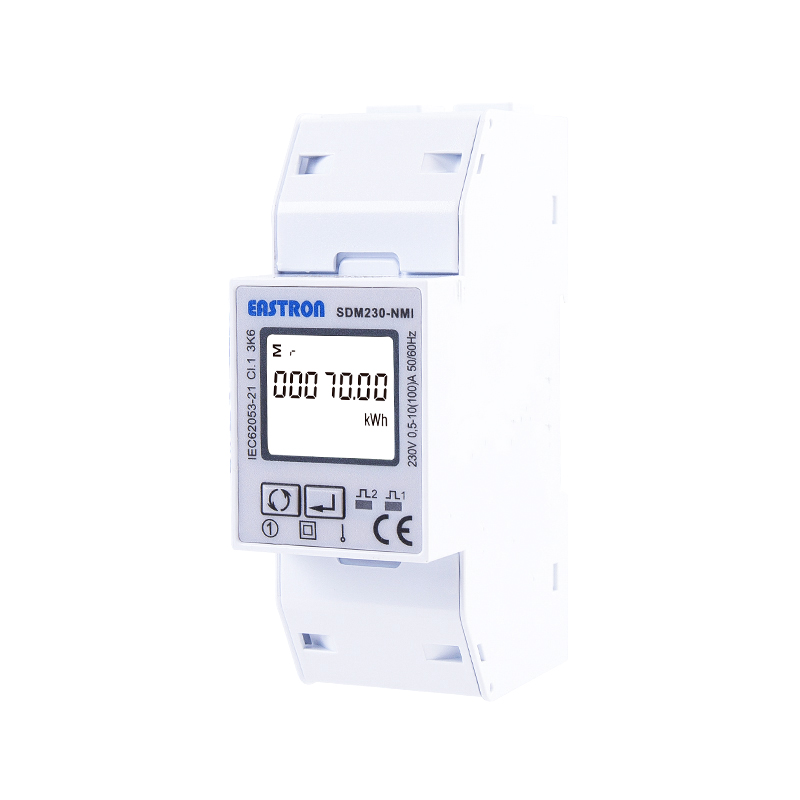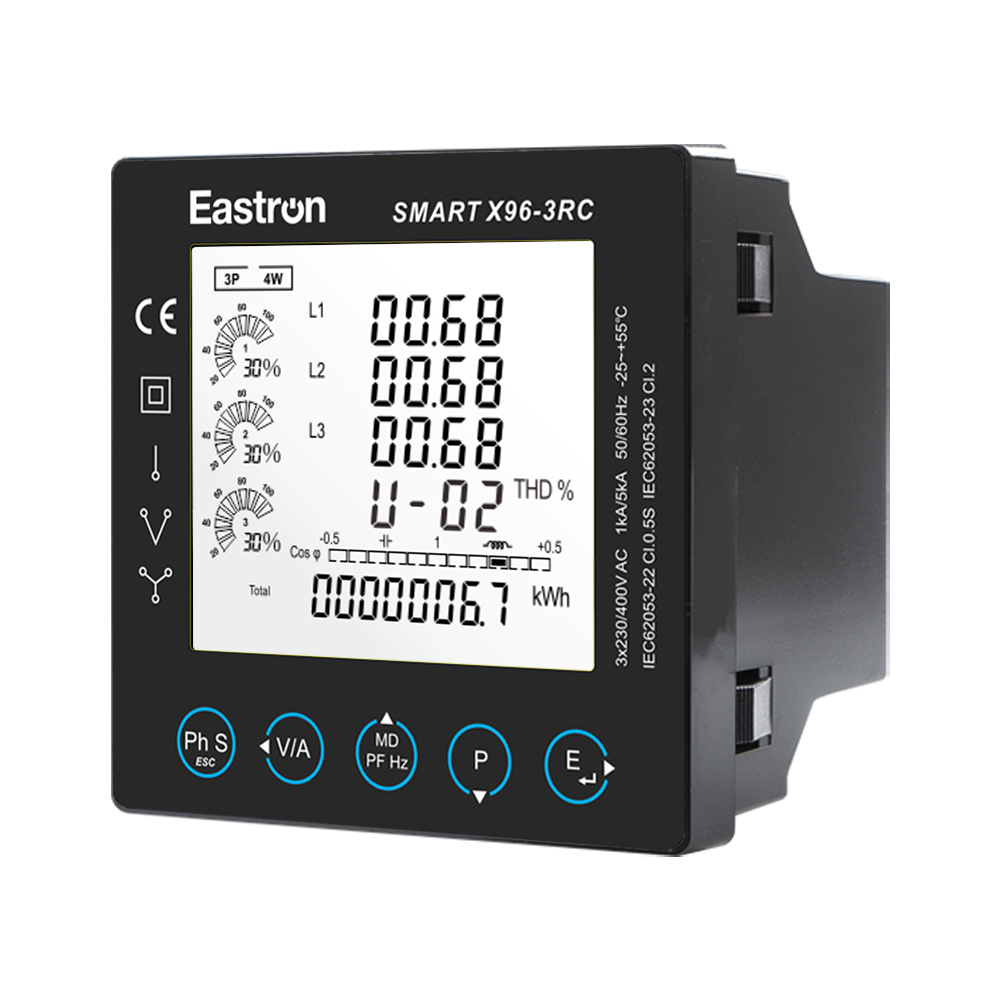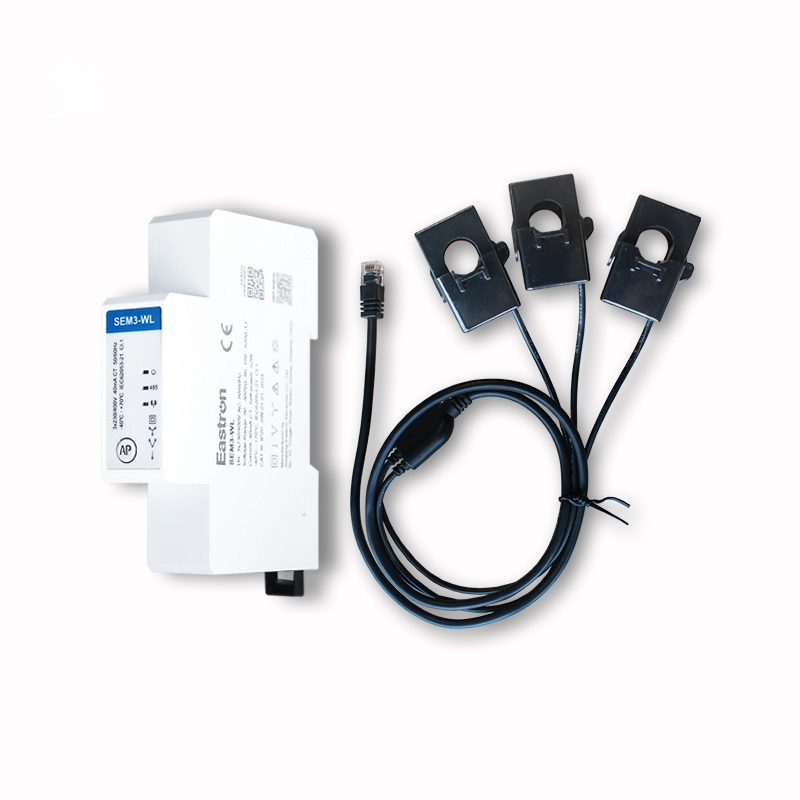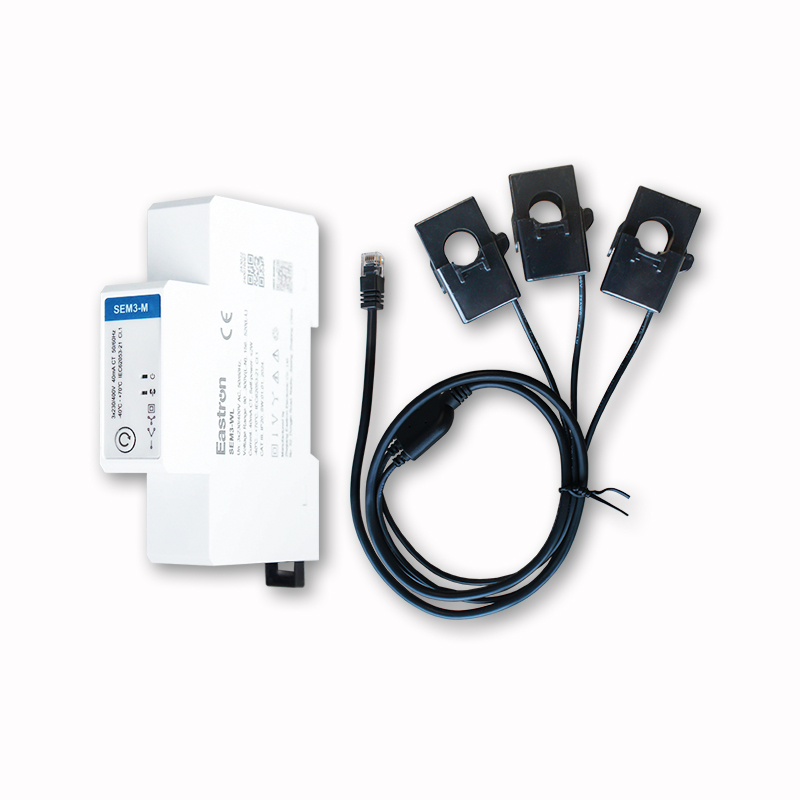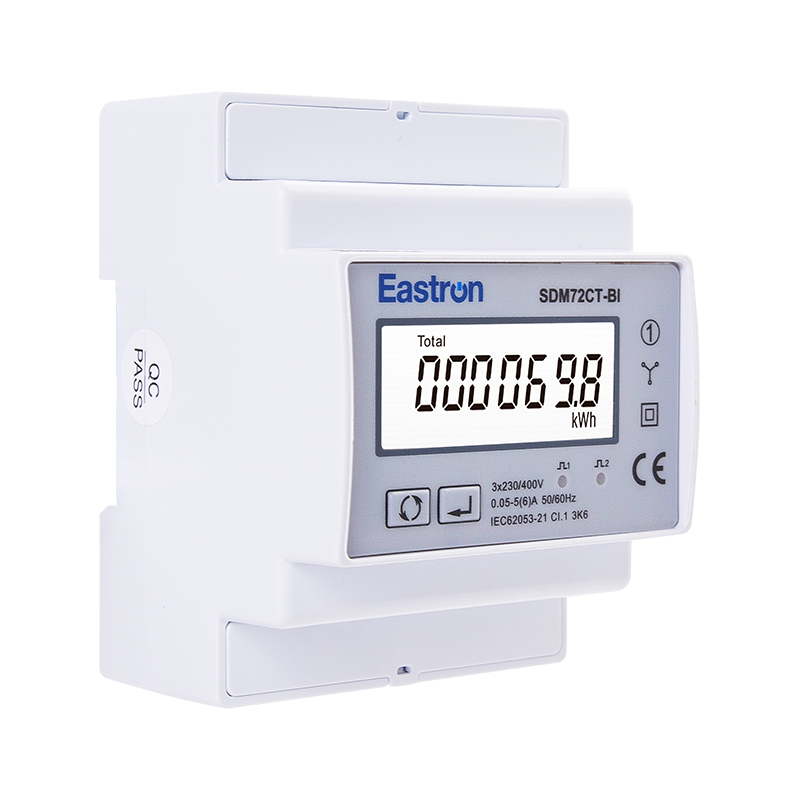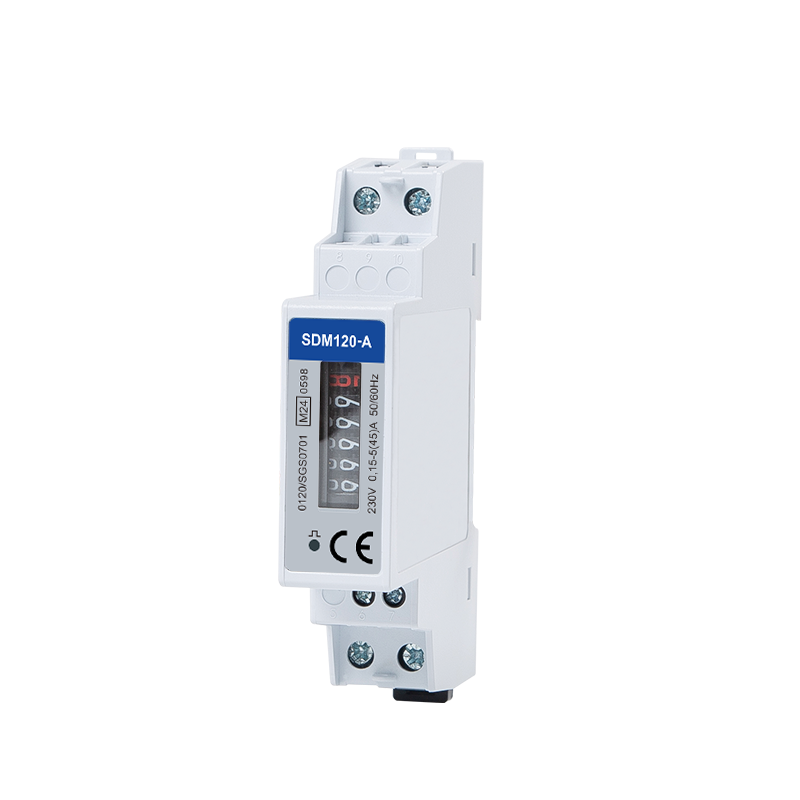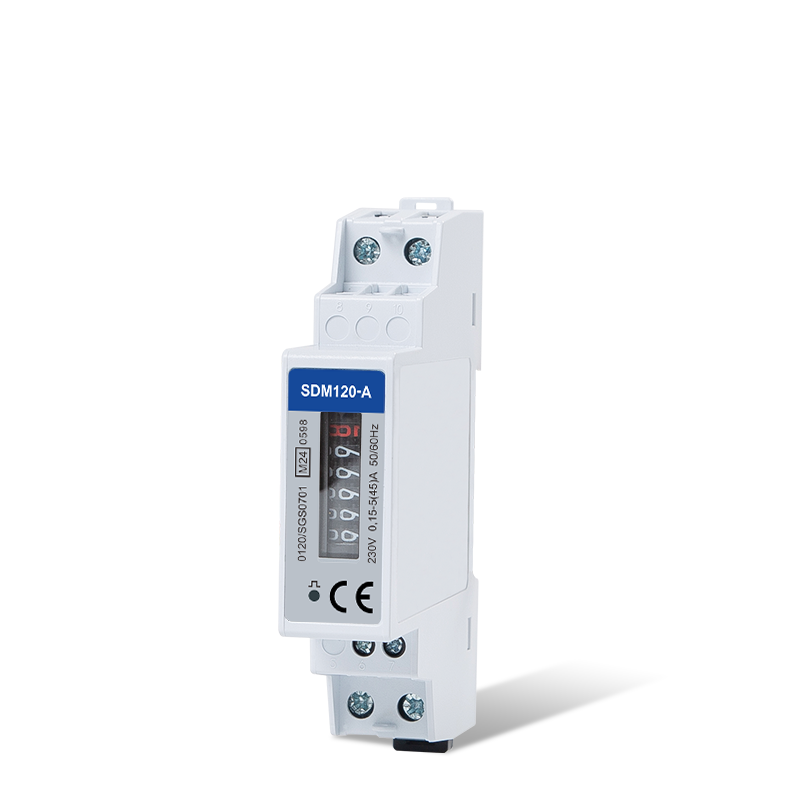
A mid-energy meter differs from other types of energy meters, such as residential and industrial meters, in several key aspects:
Capacity and Scale:
Residential Meters: These are designed for indivi...
MID energy meters differ from non-MID meters in several key aspects. The MID is a European Union directive that establishes harmonized requirements for measuring instruments, including energy meters, ...
MID (Measurement Instruments Directive) energy meters are designed to measure various types of energy consumption accurately and comply with European legal requirements. The types of energy measuremen...
The accuracy of measurements provided by multifunction power analyzers can vary depending on factors such as the quality of the analyzer, the calibration process, and the specific measurement paramete...
A single-phase ETL energy meter measures and monitors energy consumption by utilizing various components and techniques.The following are some common maintenance tasks that are typically required:
Re...
Multifunction energy meters play a crucial role in demand-side management and load profiling for utilities and grid operators by providing detailed insights into energy consumption patterns and helpin...
Multi-circuit metering systems perform real-time monitoring and alerting through a combination of hardware, software, and communication protocols. Here's a general overview of how these systems work:
...
Multi-circuit metering plays a crucial role in energy management and optimization strategies by providing detailed insights into the energy consumption of individual circuits within a facility. Here's...
Compatibility and interoperability in the context of current sensors refer to the ability of these sensors to work seamlessly with other components, systems, or equipment in an electrical or electroni...