

 English
 Español
 Deutsch
 中文简体
中文简体
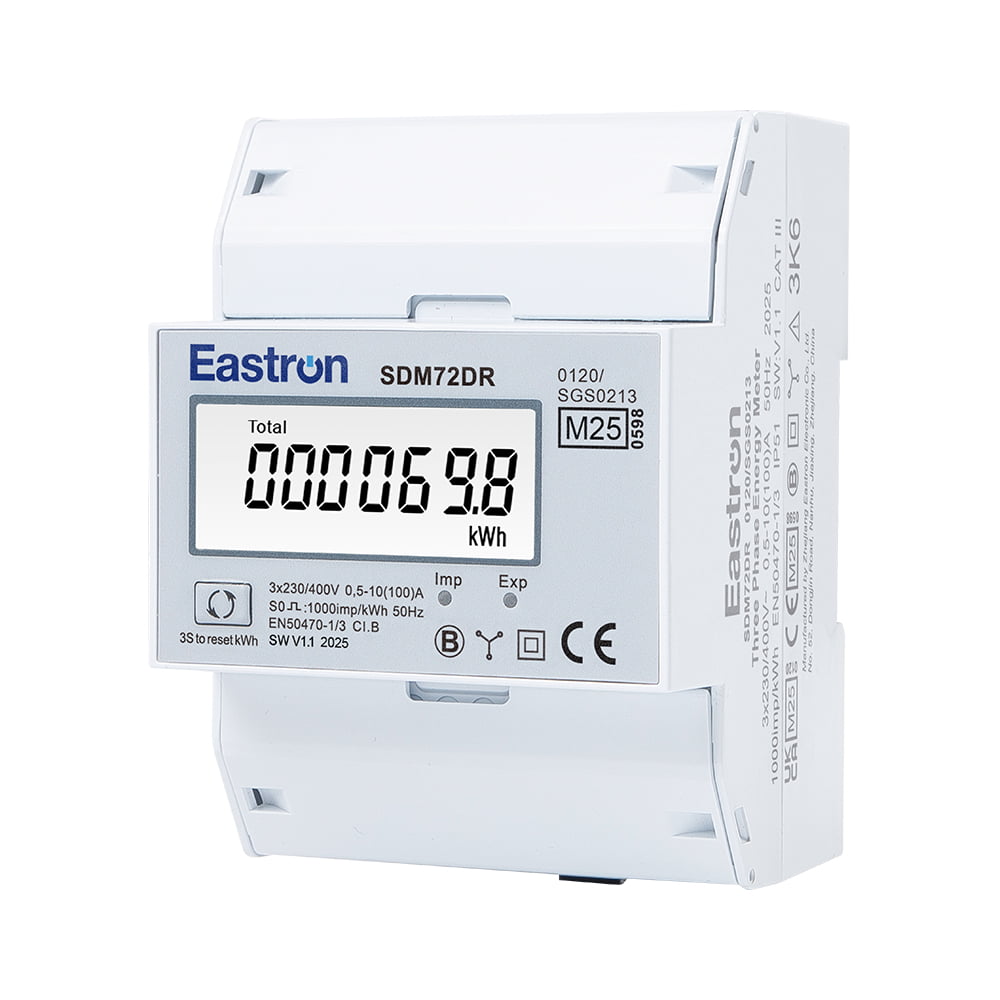
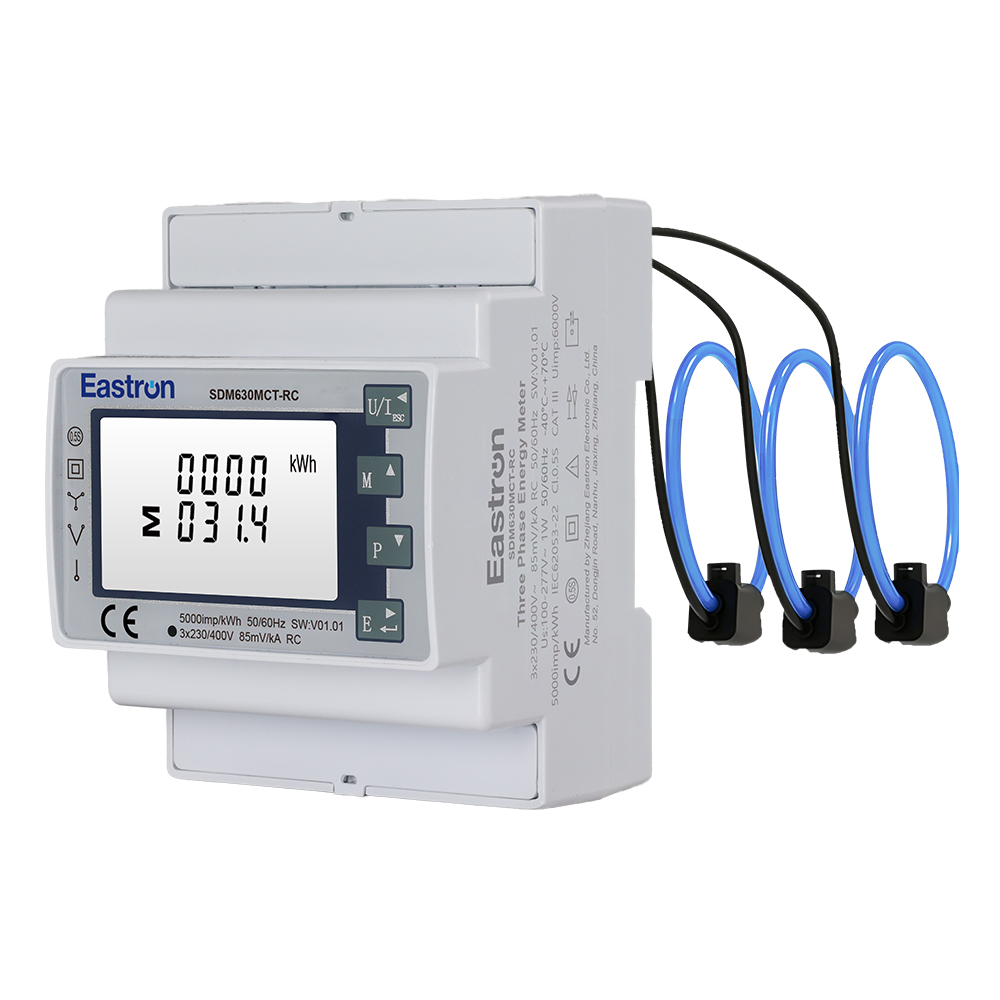
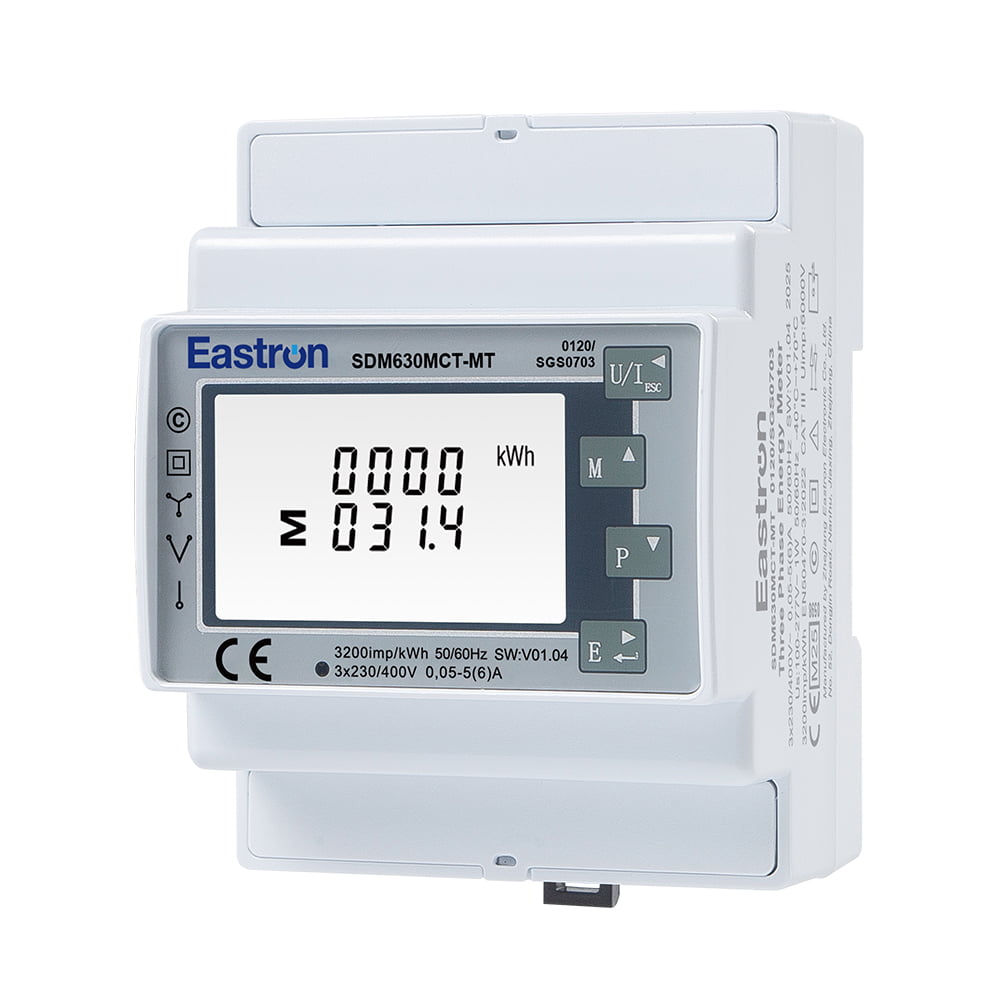
Product Consultation
Your email address will not be published. Required fields are marked *
Content
A multi-function energy meter is an electronic measurement instrument that simultaneously monitors, calculates, and displays a comprehensive range of electrical parameters in a single device. Unlike a basic kilowatt-hour (kWh) meter that records only cumulative energy consumption, a multi-function energy meter measures voltage, current, power factor, frequency, active power, reactive power, apparent power, harmonics, and energy across all three phases of an electrical system in real time. This breadth of measurement in one compact unit makes it the central instrument in modern power quality monitoring, energy management, submetering, and industrial electrical system diagnostics.
The transition from single-function billing meters to multi-function power analysers reflects the growing complexity of modern electrical loads. Variable frequency drives, LED lighting systems, switching power supplies, electric vehicle chargers, and distributed generation sources all introduce harmonic distortion, power factor degradation, and voltage fluctuations that a simple energy meter cannot detect. Identifying these power quality issues requires the full parameter visibility that only a multi-function energy meter provides, making it an indispensable tool for facility managers, electrical engineers, and energy auditors seeking to optimise energy use, reduce utility charges, and maintain electrical system health.
The measurement capability of a multi-function energy meter extends well beyond simple energy accumulation. Understanding what each parameter means and why it matters is essential for interpreting the data the meter provides and acting on it effectively.
The meter measures true RMS (root mean square) voltage and current on each phase individually — L1, L2, and L3 — as well as line-to-line voltages and the neutral current where applicable. True RMS measurement is critical because modern non-linear loads produce current waveforms that are not sinusoidal, and an average-responding meter would produce significant measurement errors on these waveforms. High-quality multi-function meters achieve voltage measurement accuracy of ±0.2% and current measurement accuracy of ±0.5% of full scale, meeting the requirements of IEC 62053-22 Class 0.2S or Class 0.5S accuracy standards for revenue-grade metering applications.
Active power (measured in kilowatts, kW) is the real power consumed by resistive loads and converted to useful work — heat, light, mechanical motion. Reactive power (measured in kilovolt-amperes reactive, kVAr) is the power exchanged between inductive and capacitive loads and the supply system, producing no useful work but loading the supply conductors and transformers. Apparent power (measured in kilovolt-amperes, kVA) is the vector sum of active and reactive power and represents the total electrical burden on the supply infrastructure. Power factor — the ratio of active to apparent power — is derived from these measurements and is the key metric for assessing how efficiently the electrical system is using the available supply capacity. Most utilities impose penalties on industrial customers whose power factor falls below 0.85 or 0.9 lagging, making power factor measurement a direct financial concern rather than a purely technical one.
The meter accumulates active energy (kWh), reactive energy (kVArh), and apparent energy (kVAh) over time, providing the data needed for energy billing, sub-metering allocation, and consumption trend analysis. Maximum demand measurement — the highest average power demand recorded over a rolling or fixed measurement interval (typically 15 or 30 minutes) — is a critical parameter because many utilities base the demand charge component of the electricity bill on the monthly peak demand figure. Identifying and reducing peak demand events through load scheduling or demand response strategies can significantly reduce electricity costs in tariff structures that include demand charges.
Advanced multi-function energy meters include harmonic analysis capability, measuring total harmonic distortion (THD) of both voltage and current waveforms and the individual harmonic components up to the 31st, 51st, or even 63rd harmonic depending on the meter's specification. High harmonic distortion in the current waveform increases transformer and cable losses, causes overheating of neutral conductors (because triplen harmonics from single-phase loads add in the neutral rather than cancelling), interferes with protection relays, and can cause resonance with power factor correction capacitor banks. Frequency measurement tracks deviations from the nominal 50 Hz or 60 Hz supply frequency, which can indicate generator governor instability or grid disturbances in islanded systems.
| Parameter | Unit | Why It Matters |
| Voltage (per phase) | V | Detects voltage imbalance and sags/swells |
| Current (per phase) | A | Load monitoring and overload detection |
| Active Power | kW | Real consumption for billing and optimisation |
| Reactive Power | kVAr | Power factor correction sizing |
| Apparent Power | kVA | Supply infrastructure loading |
| Power Factor | PF (0–1) | Utility penalty avoidance, efficiency |
| Active Energy | kWh | Billing, sub-metering, trend analysis |
| THD (V and I) | % | Power quality and harmonic distortion diagnosis |
| Frequency | Hz | Grid stability and generator performance |
| Maximum Demand | kW / kVA | Demand charge management |
The value of a multi-function energy meter is fully realised only when its measurement data is integrated into a broader energy management, building automation, or SCADA system. Modern meters support one or more communication protocols that allow real-time data to be transmitted to supervisory systems for logging, visualisation, alarming, and analysis. The selection of communication protocol is therefore a critical specification decision that must be aligned with the existing or planned infrastructure of the facility.
Modbus RTU over RS-485 serial communication is the most widely supported protocol in industrial multi-function energy meters. It is simple, robust, low-cost to implement, and supported by virtually every energy management software platform and building automation controller. RS-485 allows up to 32 devices on a single two-wire bus at distances up to 1,200 metres, making it practical for wiring multiple meters across a large facility without individual communication cables to each device. Modbus TCP extends the same register-based data model over Ethernet, enabling meters to connect directly to an IP network and be polled by any Modbus TCP master including SCADA systems, IoT gateways, and cloud energy management platforms.
BACnet (Building Automation and Control Networks) is the dominant protocol in commercial building automation systems and is the preferred interface for energy meters integrated into building management systems (BMS) for HVAC, lighting, and energy monitoring coordination. PROFIBUS is widely used in industrial automation environments where Siemens PLCs and process control systems are prevalent. DNP3 is the standard protocol in utility and substation automation environments, where energy meters serve as revenue measurement points or feeder monitoring instruments within the utility's distribution management system.
IEC 61850 is the international standard for communication in electrical substations and is increasingly adopted in medium-voltage switchgear and protection systems, with multi-function meters at this level expected to support GOOSE messaging and sampled values. At the other end of the connectivity spectrum, meters with built-in Wi-Fi, 4G/LTE, or Ethernet interfaces and MQTT or REST API support allow direct connection to cloud-based energy management platforms without intermediate gateways — a configuration particularly suitable for distributed metering across multiple sites managed from a central platform.
Multi-function energy meters are available in several physical configurations suited to different installation contexts. Selecting the correct form factor ensures the meter can be installed in the available space with the appropriate connection method for the circuit being monitored.
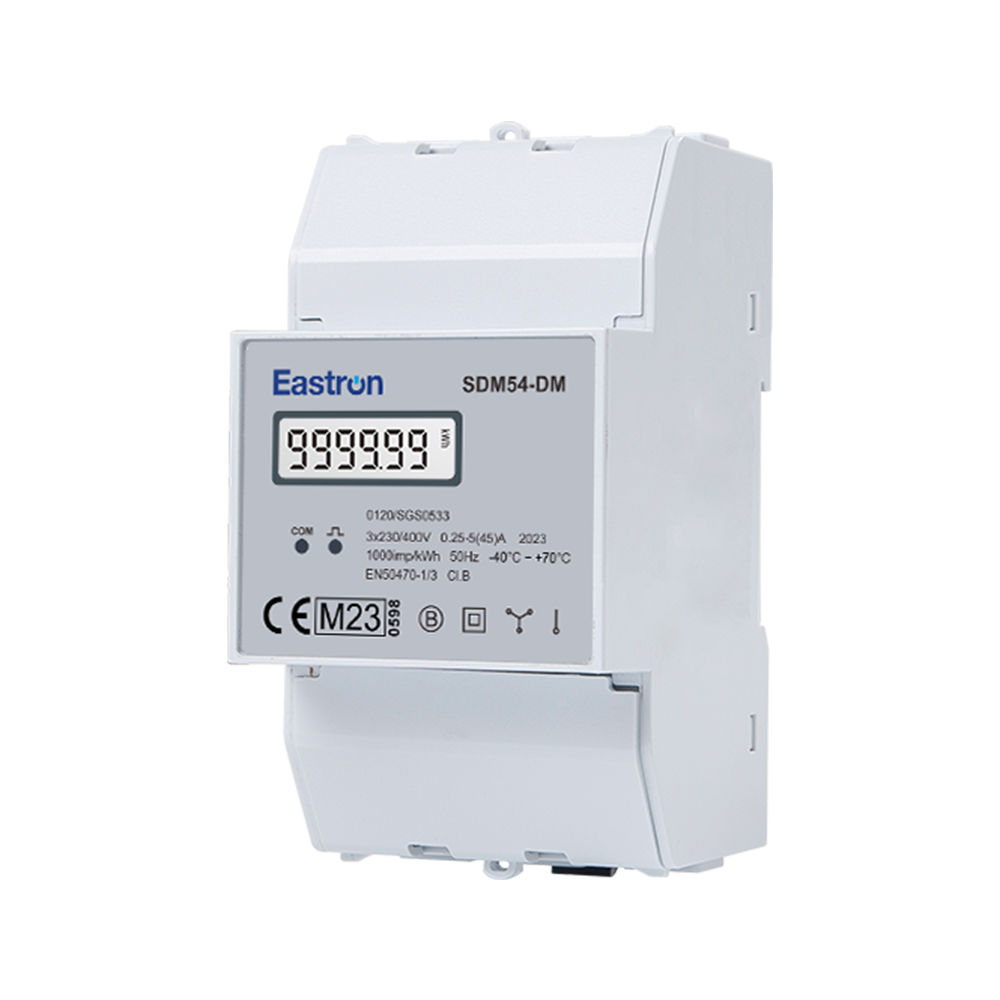
Selecting a multi-function energy meter requires matching the instrument's specification to five key application requirements: measurement accuracy class, current input method, communication protocol, display and interface requirements, and additional function requirements such as pulse outputs, relay outputs, or data logging.
Accuracy class is the first decision point. For sub-metering applications used only for internal energy management and cost allocation — not for billing between separate legal entities — Class 1 (±1%) accuracy is generally adequate and available at modest cost. For tenant billing, green building certification (LEED, BREEAM), or any application where the energy data underpins a commercial transaction, Class 0.5 or Class 0.2S accuracy with appropriate certification is required. Revenue-grade certification must be verified against the specific national metrology regulation applicable in the installation country — IEC 62053 compliance alone may not satisfy all jurisdictions' legal-for-trade requirements.
Current input configuration determines how the meter connects to the monitored circuit. For currents above 5A — which encompasses virtually all three-phase distribution circuits — the meter connects via current transformers (CTs) that step the primary current down to a 5A or 1A secondary signal. The CT ratio must be correctly matched to the circuit's maximum current and specified with the same accuracy class as the meter itself; a Class 0.5S meter paired with Class 1 CTs produces an overall system accuracy no better than Class 1. Split-core and Rogowski coil current transformers allow retrofitting around existing conductors without disconnecting the circuit, significantly simplifying installation in energised panels.
Communication protocol selection must be aligned with the energy management platform or building automation system the meter will report to. Confirm which protocols the supervisory system supports natively, and whether the meter's register map is documented clearly enough for integration by the system integrator. Where direct cloud connectivity is planned, verify the meter's cybersecurity provisions — authentication, encrypted communications, and firmware update security — particularly in critical infrastructure or healthcare applications where network security requirements are stringent.
Your email address will not be published. Required fields are marked *

We develop and produce high performance electricity meters, power analyzers, current sensors, communication modules and management systems.
Address:NO. 52, Dongjin Road, Nanhu, Jiaxing, Zhejiang, China
Copyright @ Eastron Electronic Co., Ltd. All rights reserved
